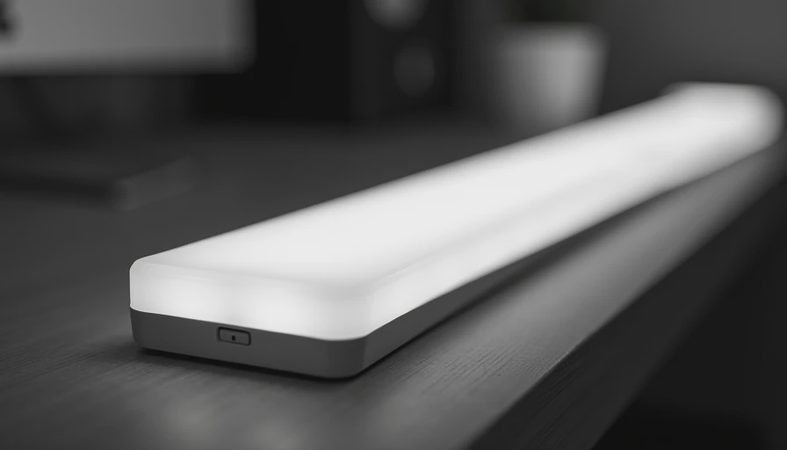
A wireless wall sconce can do something a table lamp rarely manages: bring light exactly where the room needs it without asking you to sacrifice a surface. If your nightstand is already holding books, lip balm, and one glass of water you keep forgetting to finish, that matters. I started noticing wireless wall sconces after moving into my garden apartment, where every useful outlet seemed to be behind a sofa or already claimed by the vacuum. The right fixture added warmth, height, and a little bit of polish without a contractor, a new junction box, or a lease violation.
Why This Light Is Worth Considering
The appeal is partly practical, but the visual change is bigger than you would expect. A wireless wall sconce creates a vertical point of interest, which helps a room feel finished instead of furnished by accident. It can frame a bed, brighten a dark hallway, or make a reading chair feel like a deliberate little destination.
Most models use battery-powered LED bulbs or built-in LED panels. Some have push-button controls, while others use a remote, touch sensor, or app. Prices usually range from about $25 for a simple rechargeable lamp to $150 or more for a pair with metal hardware, dimming, and a better finish. You do not need the most expensive option. You need one with a light color you enjoy and a mounting system that will not make you mutter at nine on a Sunday night.
A wireless wall sconce also solves a common decorating problem: harsh overhead lighting. Ceiling fixtures flatten a room, while small lamps create pools of light. Layer both, and your space becomes more comfortable. Use warm white bulbs around 2700K to 3000K for bedrooms and living areas. Cooler light can feel useful in a laundry room, but it tends to make a cozy corner look like a waiting room.

Choose the Shape Before the Finish
I know the temptation is to start with brass, matte black, or aged bronze. Resist it for five minutes and look at the silhouette first. A cylinder sends light up and down, which is lovely beside a mirror or artwork. A globe shade feels softer and works well with rounded furniture. A swing-arm design is more functional for reading because you can direct the beam instead of craning your neck toward it.
For a small bedroom, a wireless wall sconce with a shade around five to eight inches wide usually feels proportional. A large fixture beside a narrow twin bed can look top-heavy, while a tiny light above a wide headboard disappears. In a hallway, repeat two or three matching fixtures if the space is long enough. Repetition gives a rental hallway rhythm without requiring paint, paneling, or a dramatic gallery wall.
Finish comes second because it should relate to something already in the room. If your curtain rod is black and your coffee table has walnut legs, a black or bronze fixture will probably settle in easily. That does not mean every metal must match. My own living room mixes brass picture frames with a dark metal floor lamp. The common thread is warm light, not a showroom-perfect hardware family.
Installation Without the Lease Anxiety
The best wireless wall sconce installation is boring. That is a compliment. Look for a mounting plate with screws for permanent installation and adhesive hardware for lighter fixtures. Before sticking anything to the wall, clean the area and test the placement with painter's tape. Sit on the bed or chair and check whether the light lands at eye level. A beautiful lamp aimed directly into your face is still a bad lamp.
For renters, removable picture-hanging strips can work with lightweight fixtures, but read the package weight limit and account for battery weight. Never trust adhesive alone on a heavy metal sconce above a bed. A small screw hole is often easier to patch than a fixture crashing at 2 a.m. If you are drilling into drywall, avoid locations near outlets and switches unless you know where wiring runs. For a hardwired light, bring in an electrician; wireless is specifically appealing because it lets you skip that project.
Plan access to the controls before mounting. I once installed a rechargeable lamp so close to a shelf that removing it for charging required taking three books and a ceramic bowl off the shelf first. The light was pretty. The routine was ridiculous. Choose a model with a charging port you can reach, or mount it where the entire unit lifts off its bracket easily.

Where It Works Best in a Real Home
Beside the bed is the obvious spot, but it is not the only one. A wireless wall sconce above a small entry console can provide a welcoming glow where ceiling lights often feel too bright. Place one above a reading chair, next to a kitchen banquette, or on either side of a bathroom mirror if the product is rated for the environment. Keep moisture ratings in mind; a decorative bedroom fixture does not automatically belong near a shower.
In a living room, install a pair at different points rather than clustering every lamp around the sofa. One near a bookcase can highlight objects, while another near a doorway helps balance the room. If you are using a wireless wall sconce over art, aim the light so it washes the piece rather than producing a bright reflection on glass.
Height is where many otherwise lovely arrangements go wrong. Beside a bed, the center of the fixture often lands roughly 50 to 60 inches from the floor, but the mattress height and your sitting position matter more than a universal rule. Beside artwork, leave enough breathing room that the light does not look glued to the frame. Negative space is not wasted space; it is what lets the important objects read clearly.
What to Check Before You Buy
Look at battery life, charging time, brightness, and replacement parts. A fixture that lasts six months between charges is wonderful in a guest room, but a bedside light used every night needs a simpler charging habit. Dimming is valuable because a bright reading setting and a low evening setting serve different purposes. A remote is convenient, although tiny remotes have a talent for vanishing under sofa cushions.
Read reviews for details the product photos will not show. Does the shade rattle? Is the adhesive bracket reliable? Does the finish look painted or genuinely textured? Brands such as IKEA, West Elm, Amazon house labels, and smaller lighting sellers offer very different price points, so compare the dimensions rather than shopping by name alone. A $40 fixture with a good proportion can look more considered than a $140 one that is too small for the wall.
When considering a wireless wall sconce, also check whether the bulb is replaceable. Built-in LEDs can be slim and attractive, but a replaceable bulb gives you more control over brightness and color. Keep the receipt until you have tested the controls, installed the batteries, and lived with the light for at least a few evenings.
A Small Upgrade With a Big Visual Payoff
Lighting is one of the fastest ways to change how a room feels because it changes what your eye notices. A wireless wall sconce can make a thrifted nightstand look intentional, soften a blank rental wall, and free a crowded tabletop at the same time. It is not a substitute for every lamp; rooms still need varied light sources. It is simply a smart layer, especially when electrical work is not practical.
Start with the corner that annoys you most after sunset. Maybe the chair where you read is gloomy, or the hallway feels like an afterthought. Measure the wall, tape up the proposed shape, and decide how you want the light to behave before choosing a finish. Then buy the fixture that supports that plan, not the one with the most persuasive photograph.
My favorite decorating changes are rarely the dramatic ones. They are the small decisions that make daily life easier and make a room look more like its owner. Start with what you love. The rest finds its place.