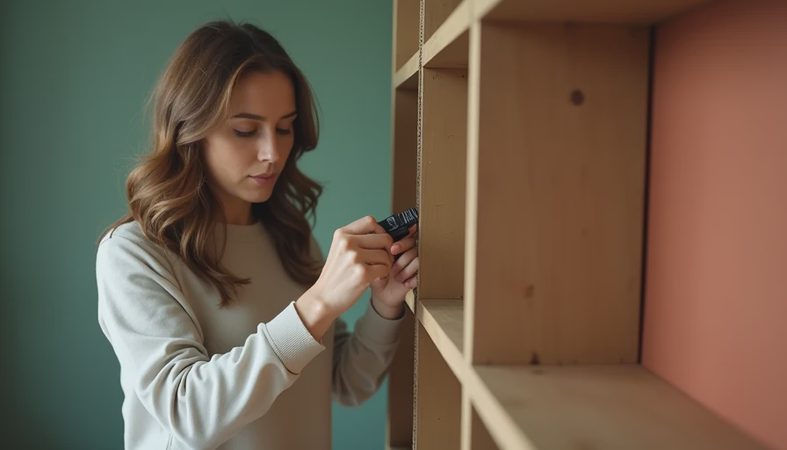
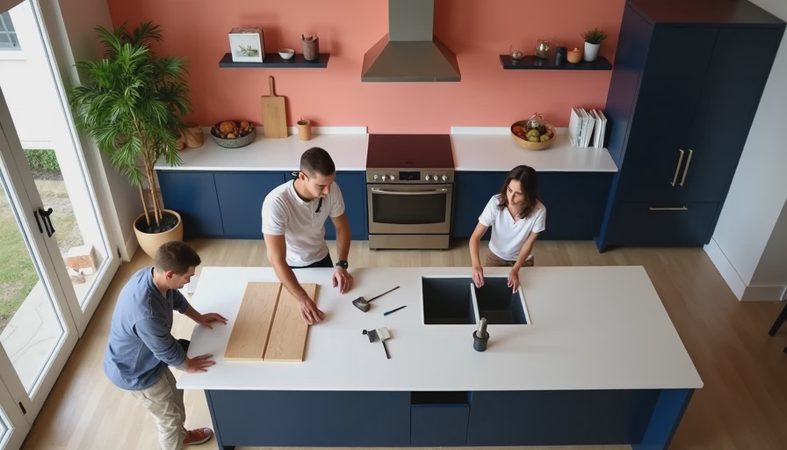
The first night in a new home has a particular kind of chaos: three cardboard boxes labeled “kitchen,” no clean towel, and a phone charger hiding somewhere inside a carton of books. The right moving essentials will not make unpacking glamorous, but they can make the first week gentler, cleaner, and much less expensive. I have moved enough times to know that the goal is not a perfectly styled room by bedtime. It is finding your toothbrush without opening twelve boxes.
Build a first-night box before anything else
Your first-night box should travel with you, not disappear into the moving truck. Pack toilet paper, hand soap, paper towels, a small trash bag, basic toiletries, medications, phone chargers, a change of clothes, pajamas, and one clean towel per person. Add bottled water, easy snacks, disposable plates, and a small roll of paper towels. If you have pets, include food, bowls, litter, a leash, and any familiar blanket they use to settle down.
These are the unglamorous moving essentials that save you from a late-night run to a crowded pharmacy. I also pack scissors, a box cutter, a permanent marker, disinfecting wipes, and a compact flashlight. The marker helps identify urgent boxes, while the flashlight is useful when a lamp is still wrapped or the breaker panel is hidden in a dark closet. Put the box in your car or label it with a huge “OPEN FIRST” note.
For food, resist the urge to buy a full pantry immediately. A loaf of bread, peanut butter, bananas, coffee or tea, and a few microwaveable meals can cover the first day for around $25 to $40. You can make a proper grocery list after you discover which cabinet holds the plates.
Clean before the furniture arrives
An empty room is your best cleaning opportunity. Once the sofa, bed, and bookcases are in place, you will not easily reach baseboards, closet corners, or the wall behind the dresser. One of the most useful moving essentials is a small cleaning caddy that stays accessible: all-purpose cleaner, dish soap, sponges, microfiber cloths, rubber gloves, a broom or vacuum, and a few garbage bags.
Start with high-touch areas. Wipe door handles, cabinet pulls, light switches, bathroom fixtures, and the inside shelves of the refrigerator. If you rent, take quick photos of existing marks before unpacking. They are not decoration, but they create a simple record of the home’s condition and can be helpful when you move out.
Do not buy every cleaning product on day one. A few versatile supplies usually cost $20 to $35 and are enough for the first pass. I once spent nearly $60 on specialized sprays before realizing I mostly needed warm water, a microfiber cloth, and patience. Save the more specific purchases for later, when you know whether the kitchen has stainless steel, laminate, stone, or painted cabinets.
Make the bedroom functional before it becomes beautiful
The bedroom deserves priority because sleep makes every other moving task feel more manageable. Assemble the bed, put sheets on it, and create one clear path from the door to the bathroom. If the bed frame is delayed, an air mattress with fresh linens is perfectly acceptable for a night or two. The point is comfort, not a photograph-ready reveal.
Useful moving essentials for this room include a bedside lamp, extension cord, phone charger, hangers, a laundry hamper, and curtains or temporary privacy shades. A $15 tension rod and inexpensive curtain panel can make a bare window feel private while you decide on permanent hardware. Keep a small basket nearby for keys, lip balm, and the random objects that otherwise collect on the floor.
This is also where proportion starts to matter. Do not rush to fill every empty corner. A room often feels more intentional when it has breathing space around the bed and one quiet surface instead of five small tables competing for attention. Start with what you love. The rest finds its place.
Create a temporary kitchen station
A functioning kitchen does not require every dish to be unpacked. Choose one counter or a small folding table as a temporary station. Put your coffee maker, mugs, utensils, a cutting board, one pan, and a few everyday plates there. This arrangement keeps essential items together while the rest of the room remains in progress.
Among the moving essentials, a basic toolkit is easy to forget. Include a screwdriver with interchangeable bits, measuring tape, scissors, a hammer, picture-hanging hooks, batteries, and painter’s tape. Painter’s tape is especially helpful for marking furniture locations without damaging a rental wall. A $25 to $45 toolkit can handle loose cabinet pulls, curtain installation, and the small surprises that appear after the movers leave.
Before buying storage bins, live with the kitchen for a week. Notice which drawers you actually use and where you naturally set groceries, mail, and keys. Buying organizers too early often creates attractive clutter that does not fit your habits. Clear bins are useful for a pantry, but cardboard boxes can work until you understand the space.

Add warmth with a small, deliberate layer
Once the practical work is under control, choose one comfort layer for each main room. In the living room, that might be a washable 5-by-7-foot rug, a table lamp, or two pillows in colors you already love. In a bathroom, it could be a plush mat and a fabric shower curtain. In a hallway, a mirror can bounce light and give keys a designated landing spot.
The best moving essentials for atmosphere are not necessarily decorative purchases. Warm bulbs, a familiar candle, framed art from your previous home, and a soft throw can make a room feel inhabited before the furniture is complete. I usually spend $30 to $80 on these small touches rather than buying a full matching set. Matching everything can make a new home look like a showroom; repeating one color in two or three places feels more personal.
Check measurements before ordering a rug, curtains, or shelves. A beautiful item that is two inches too wide becomes an expensive return and another box in the hallway. Use painter’s tape to outline the footprint on the floor first. It is a low-cost way to test scale and negative space before committing.
A simple unpacking order that actually works
Begin with daily life, not sentimental storage. Unpack the bathroom, bedroom, kitchen station, and cleaning supplies first. Next handle work clothes, basic dishes, pet supplies, and the living room seating. Books, holiday decorations, paperwork, and “miscellaneous” boxes can wait. Give each room one small finished zone so the whole home does not feel like one enormous unfinished project.
Set a timer for 45 minutes, then take a short break. Photograph boxes you cannot decide about and make a donation pile as you go. If an item has not been used, loved, or given a clear purpose in the new home, it does not need to earn space simply because it survived the move.
The most valuable moving essentials are the ones that reduce friction: a clean towel, a working lamp, a place for your keys, and something familiar on the wall. Let the home develop in layers. A room can be useful before it is finished, and finished does not have to mean expensive. Start with what you love. The rest finds its place.