A checklist for moving is not just a list of boxes, tape, and utility companies. It is the small bit of structure that keeps your move from becoming a weeklong scavenger hunt for coffee mugs, phone chargers, and the one clean pair of socks. I have moved three apartments and one condo, and my best advice is simple: plan the practical pieces first, then leave room for the home you are about to make.
Moving is also a design reset. Before you buy a new sofa or panic-order matching storage bins, take a breath and look at what you already love. The goal is not to recreate a catalog room in one Saturday. The goal is to arrive with enough order that you can notice the light, the floor plan, and the possibilities.
Six to eight weeks before moving day
Start your checklist for moving with a ruthless edit. Walk through every room and make three piles: bring, donate, and decide later. The last pile should be small and temporary. If you have not used a chipped serving bowl in three years, moving it 40 miles will not magically make it useful. I learned this after carrying a heavy box of “maybe” kitchenware up two flights of stairs.
Measure the new rooms before buying anything. Record wall widths, ceiling height, doorway clearances, and the location of outlets. A simple note in your phone can save a $75 delivery-return fee. Photograph tricky corners, radiators, ceiling fixtures, and built-in shelves. If you are renting, photograph the old place too, including floors and walls, before furniture starts disappearing. Those images are useful for your security deposit records.
Book movers or reserve a truck as soon as you know the date. Compare the total cost, not just the hourly rate. A $110-per-hour crew that finishes quickly can cost less than a $75-per-hour crew that takes twice as long. Ask whether stairs, long carries, wardrobe boxes, packing materials, and weekend timing add fees. Your checklist for moving should also include a plan for pets, plants, medication, and important documents; those items should travel with you, not in the moving truck.

Four weeks before moving day
Now turn your checklist for moving into a room-by-room packing plan. Start with objects you rarely use: off-season clothing, guest linens, decorative pieces, books, and extra cookware. Label each box with the room, a short contents list, and a priority number. “Living room, books and frames, priority two” is much more helpful than “stuff.” Keep a marker and a roll of tape in your pocket so labels do not become an afterthought.
Use small boxes for books and dishes, medium boxes for linens and pantry items, and larger boxes only for light things such as pillows or lampshades. A box of books that feels manageable at the beginning can become impossible once it reaches the stairs. Wrap fragile pieces in towels, sweaters, or clean dishcloths before buying more bubble wrap. It saves money and means the soft goods are already packed.
Create a first-night basket. Mine includes toilet paper, hand soap, paper towels, scissors, a phone charger, basic tools, trash bags, coffee, snacks, and clean sheets. Add a shower curtain if the new bathroom needs one. Put this basket in your personal car or label it clearly so it does not vanish beneath 20 identical boxes. The first night should feel a little unfinished, but it should not feel like camping beside a cardboard avalanche.
One to two weeks before moving day
Your checklist for moving should now cover the invisible logistics. Confirm the mover or truck reservation, parking instructions, elevator reservations, key pickup, and building access. Update your address with the post office, bank, credit-card companies, employer, subscriptions, and insurance providers. Transfer or schedule electricity, gas, water, internet, and any required trash service. Keep confirmation numbers together in one note.
Eat down the freezer and pantry instead of buying a fresh round of groceries. I once moved three jars of mustard, four bags of flour, and a frozen pie across New Jersey, only to discover I had packed no actual lunch. Plan easy food for moving week: sandwiches, fruit, granola bars, bottled water, and something that can be microwaved.
Make a simple floor plan and tape paper labels to the new rooms. Movers can place “bedroom” boxes in the bedroom instead of leaving everything in the entryway. If your new home has a different layout, think about traffic flow before furniture arrives. Leave at least 30 inches for a comfortable walkway where possible, and do not push every piece against a wall just because the wall is there. A little negative space makes a small room feel calmer.
The day before and moving day
The day before, finish laundry, charge your phone, defrost the freezer if needed, and pack an overnight bag. Keep jewelry, passports, lease documents, medication, laptops, and sentimental items with you. Do a final walk-through of closets, cabinets, the dishwasher, attic or basement storage, and outdoor areas. Open every drawer. That is where the forgotten scissors and spare keys like to hide.
On moving day, photograph furniture before it leaves and after it arrives. A quick record helps if something is damaged. Keep pathways clear, protect floors with cardboard or moving blankets, and make sure pets are secured in a quiet room or with a trusted sitter. Do not try to direct six people at once. Give the lead mover your floor plan, identify fragile boxes, and answer questions as they come up.
Use your checklist for moving to inspect the new place before unpacking. Look for obvious damage, test lights and faucets, check that appliances work, and confirm that keys and remotes are present. If there is an issue, photograph it and notify the landlord or property manager promptly. Then place the first-night basket somewhere visible and make the bed before doing anything decorative. A made bed is the fastest way to make chaos feel temporary.
The first week in your new home
Do not unpack by opening every box at once. Start with the bathroom, bedroom, kitchen basics, and lighting. You need a place to shower, sleep, eat, and see what you are doing. After that, unpack one room at a time. Flatten cardboard as you go, but keep a few boxes for returns, donations, or pieces that need storage.
This is also the moment to notice how your furniture actually works in the space. The sofa may look too large until it is angled toward the window. A thrifted table may need to move six inches to leave a better path. Live with the arrangement for several days before buying replacements. I once returned a perfectly attractive lamp because I bought it before noticing that the afternoon sun already lit that corner beautifully.
Your checklist for moving can end with a small comfort list: hang one piece of art, put out a favorite mug, add a washable runner, and bring in something living, even if it is a grocery-store plant. You do not need a finished home immediately. Start with what you love. The rest finds its place.
A calm, useful moving checklist
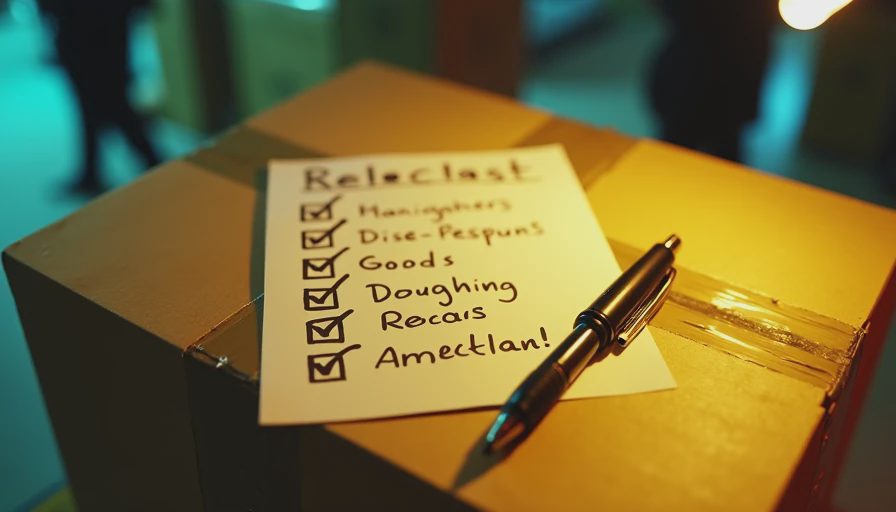
Keep these final reminders in your phone: edit before packing, measure before buying, label every box, reserve movers early, protect important documents, arrange utilities, photograph both homes, pack a first-night basket, and unpack by function rather than urgency. A good checklist for moving does not make the process perfect. It keeps small decisions from crowding out the bigger one: making a home that feels comfortable, personal, and genuinely yours.