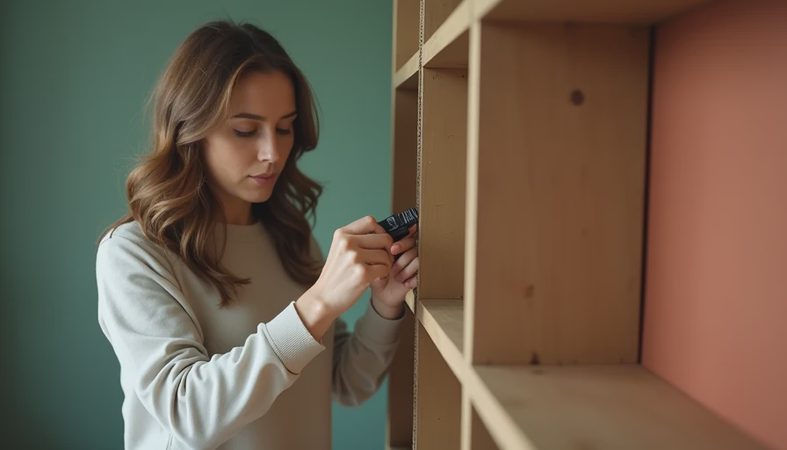
The pantry in my first apartment was a narrow cabinet beside the refrigerator, which sounds useful until you try to find rice behind three cans of tomato soup. The best small pantry ideas are not about cramming more into a tiny space. They are about making every item visible, reachable, and pleasant to look at. With a few inexpensive changes, even a rental kitchen can feel calmer and more custom.
I am not an interior designer. I am a designer who could not stop rearranging her own apartments, and pantries became one of my favorite little problems to solve. Start with what you love, then give the practical things a clear place. The rest finds its place.
Start with a realistic pantry reset
Before buying bins, remove everything. Put expired food in the trash, group duplicates together, and set aside items you never use. A pantry often feels too small because it is holding three half-empty bags of flour, mystery sauces, and appliances that belong somewhere else.
Measure the width, depth, and height of every shelf. Do not forget the door, the floor, or the awkward space above the top shelf. Write down the measurements in your phone before shopping. A $12 shelf riser is only a bargain if it actually fits, and returning a collection of mismatched organizers is how a Saturday disappears.
The most useful small pantry ideas usually begin with editing rather than purchasing. Keep everyday staples at eye level, occasional baking supplies higher up, and heavy items such as bottled drinks on the lowest shelf. If you cannot see an ingredient, you will probably buy it again.
Use vertical space without creating visual clutter
Short shelves waste the space above cereal boxes and cans. Add one or two wire risers so a second layer can sit above the first. Choose narrow risers for cans and wider ones for jars. Target, The Container Store, and even dollar stores often carry versions between $6 and $20, so you do not need a matching designer set.
A small turntable is especially useful in a deep corner. I use one for vinegars, hot sauce, and small bottles that otherwise vanish behind the olive oil. For bags of pasta or snacks, a simple magazine file turned sideways creates a tidy vertical slot. It is less expensive than a specialty dispenser and easier to remove when your storage needs change.
One of my favorite small pantry ideas is adding a slim rolling cart beside a cabinet or refrigerator. A cart about six inches wide can hold spices, baking ingredients, or coffee supplies. Look for a model with locking wheels, especially if you have a curious cat or a busy household. The cart does not have to match the kitchen perfectly; repeating one finish, such as black metal or light wood, is enough to make it look intentional.
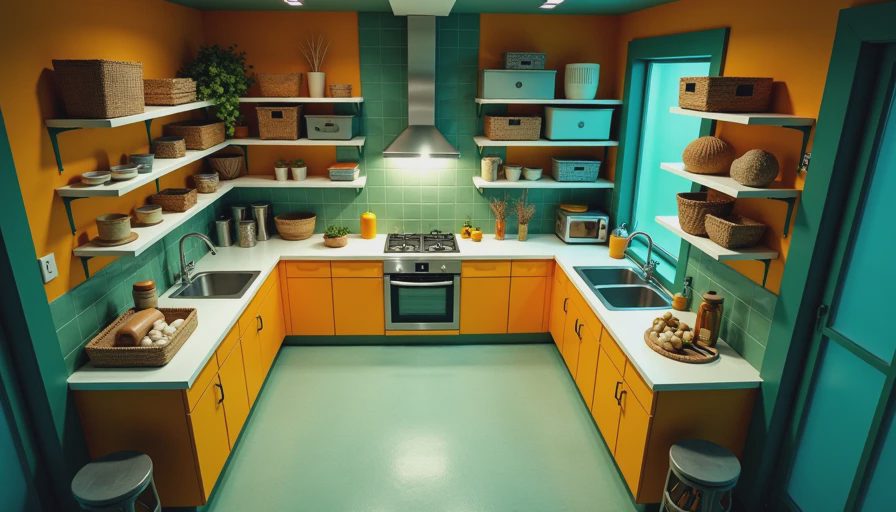
Make containers earn their space
Decanting everything into matching containers can look beautiful online, but it is not automatically practical. I would not transfer a box of crackers into a jar if the original package protects them better. Clear containers work best for flour, sugar, oats, rice, beans, and other dry goods you buy repeatedly.
Choose containers based on the food, not the photograph. A wide-mouth jar is easier for scooping flour. A rectangular bin uses more shelf space efficiently than a round one. Smaller open bins are good for grab-and-go snacks, while lidded containers protect cereal from staleness. A basic set from IKEA, Walmart, or Amazon can cost $25 to $50, but you can also reuse sturdy jars from pasta sauce after washing and removing the labels.
Label only what needs labeling. If every container has a large printed tag, the pantry can start to feel like a store display. I prefer small labels on the side or a strip of painter's tape with the purchase date. These small pantry ideas should make cooking easier, not turn restocking into a craft project.
Give the pantry a color and lighting plan
A pantry does not need a dramatic makeover, but a little color can make it feel like part of your home. For a rental, try a removable peel-and-stick paper on the back wall, a washable runner outside the pantry, or matching baskets in a warm neutral. Soft sage, faded terracotta, and creamy white are forgiving choices that look good beside food packaging.
If your pantry is dark, add a battery-powered motion-sensor light. Look for an LED puck or slim bar priced around $10 to $25. Warm white light is easier on the eyes than a stark blue tone, especially when you are reaching for flour before breakfast. Mount the light with removable strips if drilling is not allowed.
Color is also a useful organizing tool. You might use one terracotta bin for baking, one cream bin for breakfast items, and a green bin for snacks. The system does not need to be rigid. The goal is visual grouping, so your eyes understand the space quickly.
Solve awkward shelves and corners
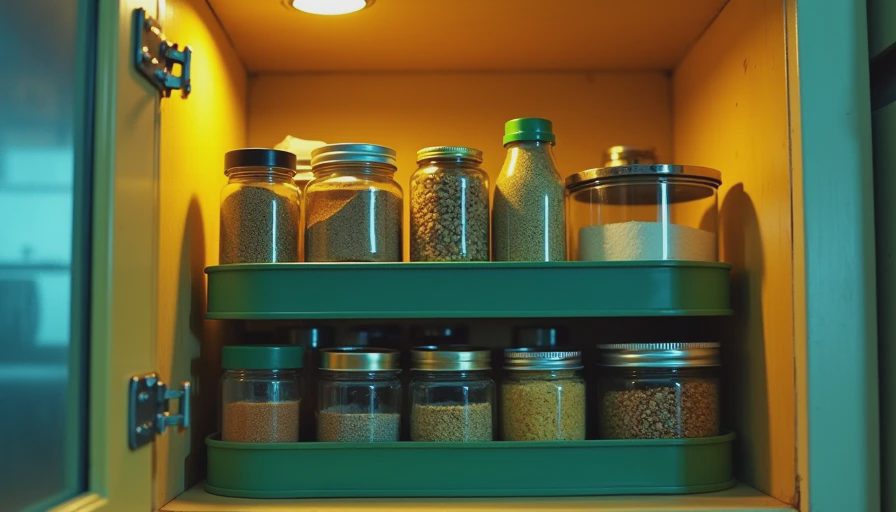
Deep shelves are notorious for creating a dark second row. Instead of lining cans from front to back, use shallow bins that slide out as one unit. A bin labeled sauces or baking can be lifted down without unloading six other things. For cans, a step riser or gravity-fed organizer keeps labels visible and makes older items easier to use first.
If you have a corner cabinet rather than a true pantry, reserve the back for backup supplies. Put the current bottle of cooking oil in front and extra oil behind it. Store rarely used serving pieces on the highest shelf, but avoid placing heavy glass there. A falling casserole dish is not a storage problem you want to discover with one hand full of groceries.
These small pantry ideas are especially helpful in apartments where the kitchen has no dedicated storage. A narrow bookcase, a freestanding cabinet, or two sturdy wall shelves can become a pantry zone. Check that furniture is anchored safely, and leave enough clearance for doors and drawers to open fully.
Build a system you will actually maintain
The best organization system is the one that survives a busy Tuesday. Keep a small shopping list on the pantry door or in your phone. When you finish the last bag of oats, add it immediately. Once a month, pull older products forward and wipe the shelves with a damp cloth.
Use a simple three-level arrangement: daily foods in the easiest reach, weekly ingredients in the middle, and backup or seasonal items above or below. Children and shorter adults can reach snacks more easily when the most-used items are not placed at the top. Heavy flour bags and bulk purchases belong low, where they are safer to lift.
If your shelves are adjustable, move them before buying organizers. A little extra height may fit tall cereal boxes, while a lower shelf can make room for a drawer-style bin. Take a quick photo after you finish. It helps you remember where things belong when the pantry starts drifting back toward chaos.
Small pantry ideas that save money, too
Organization can reduce duplicate purchases, but it should not become an excuse to buy every matching container. Start with one shelf and spend $20 to $40 on the problem that annoys you most. You may only need a riser, two bins, and a light. That is a much better beginning than a $200 overhaul that does not suit your cooking habits.
My own pantry still has a crooked label and one shelf that holds too many tea boxes. Perfect is not the goal. I want to open the door and know where the cinnamon is, notice when I am low on pasta, and avoid knocking over a tower of cans. If these small pantry ideas help you get there, they have done their job. Start with what you love, make room for what you use, and let the rest find its place.