
We’ve all experienced the phenomenon. You walk into your living room or bedroom, and something feels deeply, persistently wrong.
The energy is restless. The space feels cluttered even when it’s clean. You feel vaguely irritated every time you sit down on the couch, but you can’t quite put your finger on the culprit. Your immediate, capitalist brain whispers: "Ah, I need to buy a new rug. Or maybe a different accent chair. That will fix it."
Stop right there. Put the credit card away.
As a graphic designer, I look at physical rooms the exact same way I look at a broken website layout or a messy poster design. When a design feels "off," it’s almost never because you don't have enough things. Usually, it’s because the underlying visual rules have been broken. Before you spend a single dime on home decor, run through this zero-dollar diagnostic checklist to figure out what’s actually wrong with your room.
Step 1: The "Overhead Light" Test
If the sun has gone down, take a hard look at how your room is lit. Are you relying on a single, harsh, ceiling-mounted "big light" that blasts the room from directly above?
The Diagnosis: Harsh overhead lighting flattens a room, creates severe shadows under your eyes, and makes even a luxury apartment look like a high school gymnasium. It triggers an unconscious stress response.
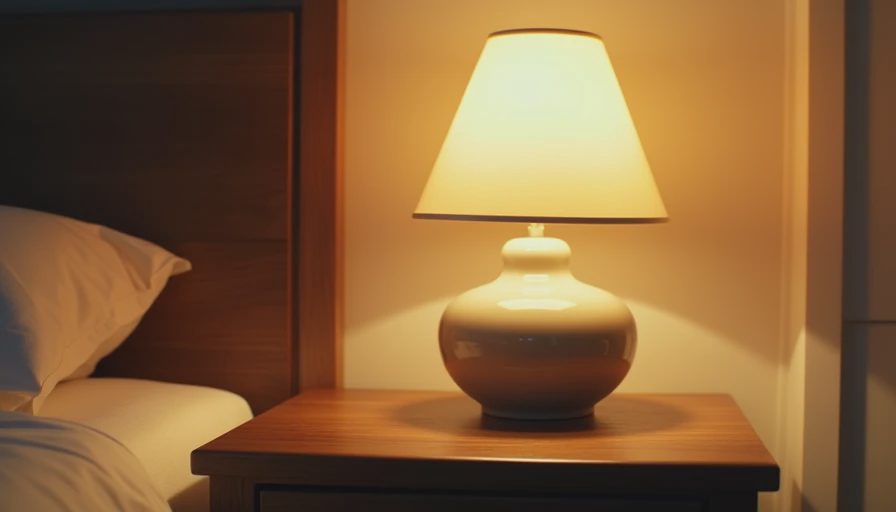
The Zero-Dollar Fix: Turn off the overhead light immediately. Right now. Go around your home and turn on every single secondary light source you own—desk lamps, floor lamps, or even a warm-toned accent light in the corner. Notice how your shoulders instantly drop? That was the problem.
Step 2: The Focal Point Audit
Stand in the doorway of your room, close your eyes for three seconds, open them, and notice where your eyes land first.
The Diagnosis: If your eyes instantly ping-pong between twelve different competing objects—a pile of mail, a brightly colored plastic storage bin, a random stack of shoes, and a misaligned gallery wall—your brain is experiencing cognitive overload. There is no clear focal point.
The Zero-Dollar Fix: Clear every single small object off your main horizontal surfaces (coffee table, nightstand, dresser). Leave one intentional item per surface (like a single book or a ceramic mug). Give your eyes a place to rest.

Step 3: The Weight Distribution Check
Look at the heavy furniture in your room. Are all the heavy pieces (the sofa, the large bookshelf, the heavy media console) crammed onto one side of the room, leaving the other side looking light and bare?
The Diagnosis: Visually, your room is leaning over like a sinking boat. This creates a subconscious feeling of imbalance and spatial anxiety.
The Zero-Dollar Fix: Shift things around. Can you move that heavy armchair to the empty corner? Can you balance a tall bookshelf with a tall floor-to-ceiling curtain setup on the opposite wall? Balance doesn't mean symmetry; it means visual equilibrium.
The Annie Rule: Edit Before You Add
Ninety percent of the time, a room doesn't need more stuff; it needs a ruthless edit. Before you go shopping for quick fixes, try clearing surfaces, shifting lighting, and letting your existing pieces breathe.
You’d be amazed at how much a room changes when you stop trying to fix it with money and start fixing it with proportion.
"Start with what you love. The rest finds its place."