
We’ve all been guilty of impulse shopping. You walk into a boutique, your eyes lock onto a rich, velvet, burnt-orange throw pillow with vintage tassels, and before you even think about your living room, your credit card is already out.
You take it home, toss it onto your existing sofa, and… instant disaster. It clashes with your rug, screams against your curtains, and looks like an accidental casualty of a home decor war.
Most people think this means they made a mistake. As a graphic designer, I’m here to tell you: That pillow wasn't a mistake. It was just waiting for a system.
You don't need to throw the pillow away. In fact, you can use that single, impulse-buy item as the anchor to design an entire room. Here is how to do it.
Step 1: Isolate the "Hero" Color
Before you try to match the pillow to your room, look closely at the pillow itself. Most textured, high-impact pieces contain more than one color.
Does it have a cream background with olive green embroidery and rust-colored details?
Great! You now have your entire color story mapped out for you.
Your impulse buy isn't just an accessory anymore; it is your room’s 10% Focus (remember our 60-30-10 rule?). You don't need to match everything else to it; you just need to give it the right supporting cast.
Step 2: Build the 60% Anchor (The Quiet Backdrop)
Now that you have your hero accent (the 10%), you need to step back and quiet the room down. If your walls are a chaotic yellow or your existing rug has twelve competing patterns, your new pillow won't stand a chance.
The Goal: Choose a neutral, breathing backdrop for your walls and large furniture.
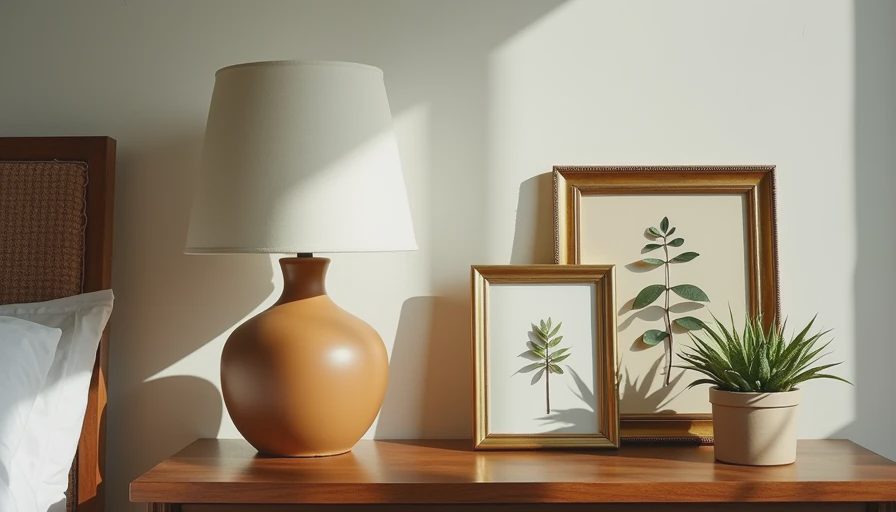
How to do it: Lean into soft off-whites, warm oats, or muted gray-beiges. This gives the eye a place to rest and lets the subtle tones in your pillow pop without causing visual noise.
Step 3: Introduce the 30% Catalyst (The Bridge)
This is where most room makeovers fail. People go straight from a neutral wall to a bright accent pillow, skipping the middle ground.
To bridge the gap between your quiet 60% anchor and your loud 10% hero pillow, you need a 30% catalyst.
If your pillow has olive and rust accents, bring in a medium-sized element like an olive green velvet sofa or a warm walnut wood coffee table.
This medium layer acts as a translator, telling the room that the pillow belongs there.
Step 4: Let Go of "Matching"
The biggest trap in interior design is trying to make everything match.
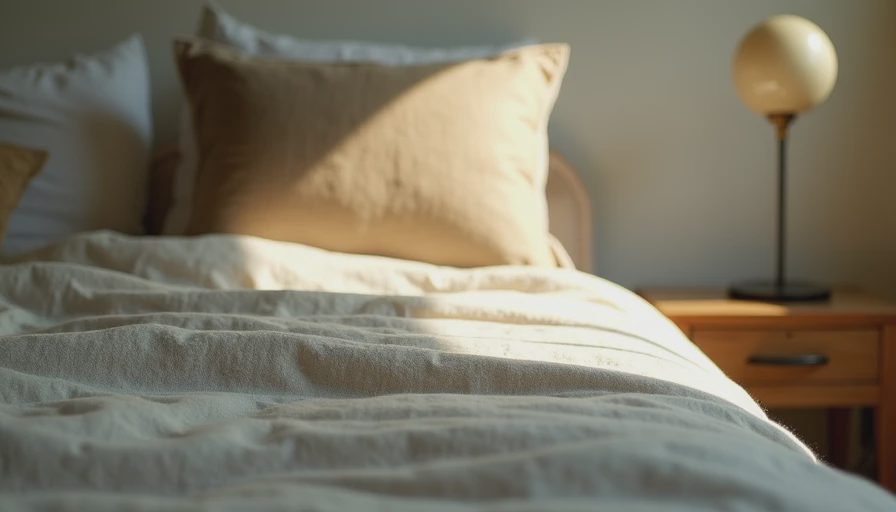
When you build a room around a single piece you love, you are aiming for harmony, not uniformity. Your curtains don't need to be the exact same shade as your pillow. In fact, they shouldn't be! Real life is layered, textured, and slightly imperfect—just like a well-curated home.
Next time you fall in love with a random home decor item that makes zero sense with your current setup, buy it anyway. Sometimes, all a tired room needs is a spark, a story, and a single pillow to wake it up.
"Start with what you love. The rest finds its place."