If you have ever saved a room photo because of one long, lovely cabinet sitting under a piece of art, you may have wondered, what is a credenza? In plain English, it is a low storage cabinet, usually wider than it is tall, with doors, drawers, or a combination of both. It can hold dishes, books, electronics, linens, or the mysterious collection of charging cords that seems to multiply overnight.
I love credenzas because they solve two problems at once: they give a room useful storage and create a strong horizontal line. That line can make a small room feel calmer and a large blank wall feel finished. You do not need a designer budget or a formal dining room to use one well.
What is a credenza, exactly?
Historically, a credenza was associated with dining and serving food. The word came to describe a side cabinet used for storing dishes and displaying serving pieces. Today, the term is much looser. A credenza can live in a dining room, living room, entryway, bedroom, or home office.
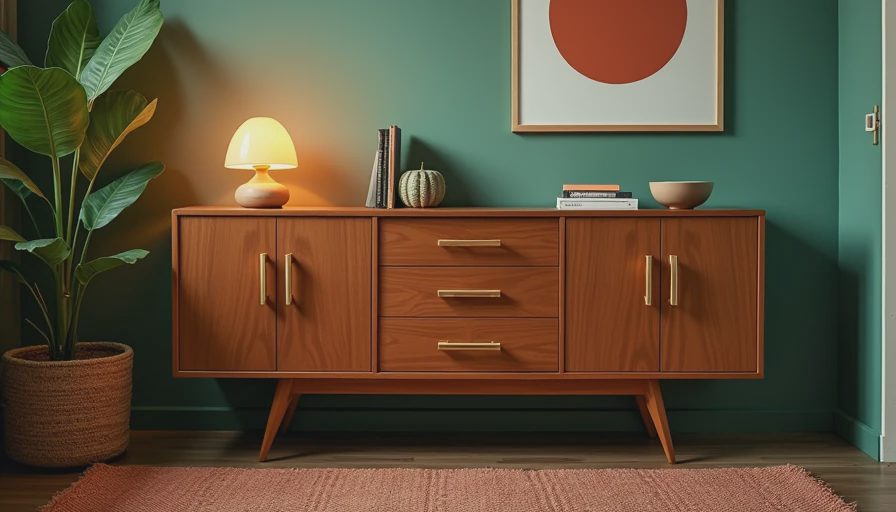
The usual features are simple: a long shape, a relatively low profile, enclosed storage, and a top surface for lamps, art, baskets, or a vase. Many pieces stand on short legs, while others sit directly on the floor. Some look sleek and mid-century, with tapered walnut legs and sliding doors. Others feel traditional, painted, paneled, and a little more furniture-like.
When someone asks what is a credenza, they are often really asking how it differs from a buffet or sideboard. The answer is not perfectly standardized. A buffet is usually associated with dining, while a sideboard is a broader term for a serving and storage cabinet. Credenza tends to suggest a lower, longer, more streamlined piece, but retailers use these words interchangeably all the time.
Where can you use one at home?
The dining room is the obvious location, and it is still a good one. A credenza can store tablecloths, napkins, extra glasses, candles, and the serving platter you only use on Thanksgiving. Leave a few inches of breathing room above it, then hang artwork or a mirror so the wall does not look like a forgotten strip of paint.
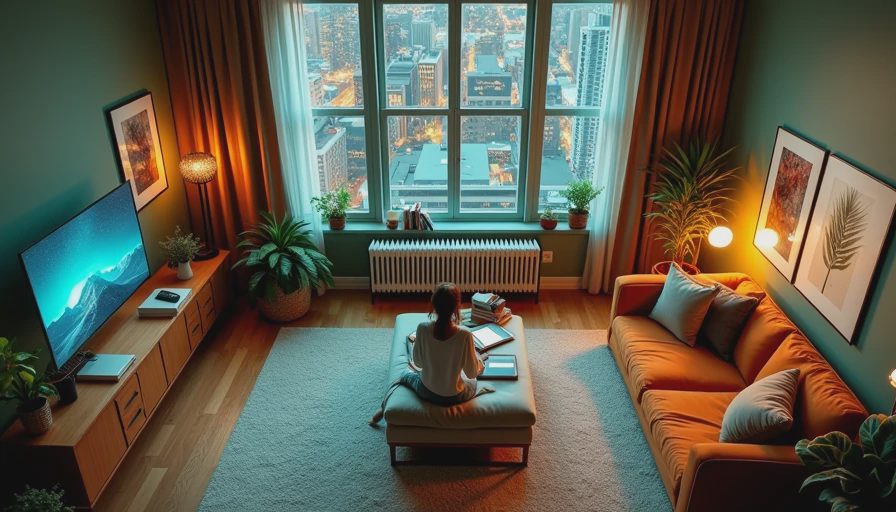
In a living room, use one beneath a television if the proportions work. The cabinet can hide a game console, router, remotes, and DVDs while giving the television a more anchored appearance. Just remember to leave ventilation around electronics and confirm that the doors allow signals through if you plan to hide a remote-controlled device.
An entryway credenza is especially useful in a long apartment hallway. Add a shallow tray for keys, a small lamp, and a bowl for sunglasses. If the hallway is narrow, look for a cabinet about 14 to 16 inches deep rather than forcing in a bulky piece that makes every arrival feel like an obstacle course.
A home office credenza can hold paper, printer supplies, and files without making the entire room feel like a copy center. In my own apartment, I would rather see one handsome cabinet than six plastic storage bins lined up against a wall. That is the magic of good concealment.
How to choose the right size
Before shopping, measure the wall and the traffic path around it. A cabinet that is 60 to 72 inches wide is common, but a 48-inch piece can work beautifully in a smaller apartment. For a television, the cabinet should generally be at least as wide as the screen, and slightly wider often looks more intentional.
Depth matters more than people expect. A 15-inch-deep credenza may be perfect for an entryway but frustrating beneath a television if your equipment needs more room. A dining cabinet can be 18 to 20 inches deep, provided chairs and people still have comfortable clearance. Use painter's tape on the floor to mark the footprint for a day. It is much cheaper than discovering a beautiful cabinet blocks the closet door.
Height is part of the visual conversation, too. A very low cabinet pairs well with oversized art, while a taller piece may need a smaller mirror or a collection of objects above it. Think in terms of balance, not a rigid decorating rule. The goal is for the cabinet and the wall art to feel like one composition.
Materials, doors, and storage details
Wood veneer is often a smart middle ground between solid wood and bargain laminate. It gives you real grain and a warmer surface without the price or weight of a thick solid-wood cabinet. Walnut, oak, teak, and ash each bring a different mood. Walnut feels moody and polished; oak is lighter and more casual; painted MDF can be a practical choice when you want color.
Pay attention to the interior, not just the front. Adjustable shelves are helpful for oddly shaped dishes and tall vases. Drawers are better for napkins, office supplies, and small objects that become messy when stacked. Sliding doors save floor clearance, while hinged doors offer easier access but need room to open.
If you are buying secondhand, open every door and drawer. Check for a musty smell, swollen particleboard, loose hinges, and wobbling legs. A $120 thrifted cabinet can be a terrific find if it needs only cleaning and new hardware. It can become a $400 project quickly if the back panel, shelves, and veneer all need replacement.
How to style a credenza without clutter
Start with one anchor object: a wide piece of art, a mirror, or a textile wall hanging. Then add height with a lamp or a tall branch in a simple vase. Keep shorter objects grouped rather than scattering six tiny decorations across the surface. Visual hierarchy works here just as it does in a good magazine layout: one lead, a few supporting players, and enough empty space for the eye to rest.
For a television cabinet, resist filling the entire top with accessories. The screen is already visually busy. A low bowl, a small plant, or one sculptural object is usually enough. On a dining piece, you can be more expressive with a stack of cookbooks, a framed print, and a lamp with a warm bulb.
Color can make an ordinary piece feel personal. Try terracotta pottery against walnut, blue ceramics against pale oak, or a glossy black lamp on a painted cream cabinet. You do not need matching sets. Start with what you love. The rest finds its place.
Is a credenza worth buying?
For most homes, yes, if you choose it for the storage you actually need rather than the room photo you are trying to copy. A good cabinet can replace a media console, entry table, linen chest, and dining server depending on where you place it. That flexibility matters when you rent, move often, or are still figuring out your home's personality.
Prices vary widely. Big-box retailers often have options around $200 to $600, while vintage and solid-wood pieces can run from $700 to more than $2,000. Estate sales, Facebook Marketplace, and local thrift shops can produce excellent finds for less, especially if you are patient about color and willing to change hardware.
Now that you know what is a credenza, shop with a tape measure, a storage plan, and a little patience. Look for strong proportions, useful interiors, and a finish you can live with every day. The right one will not just fill a blank wall; it will quietly make your whole room work better.