An apartment sofa has to do more than look pretty in a listing photo. It needs to fit through a narrow doorway, leave room for your coffee mug and maybe a cat, and still feel comfortable on a Tuesday night when dinner is popcorn. I have learned this the unglamorous way after moving furniture through three apartments, including one second-floor walk-up with a turn so tight that my sofa briefly became a vertical sculpture.
The good news is that choosing well is less about finding one perfect style and more about getting the proportions, fabric, and function right. Start with what you love. The rest finds its place.
Measure the Room Before You Fall in Love
Before browsing velvet, linen, or boucle, measure the wall where the apartment sofa will live. Write down the wall length, ceiling height, doorway width, hallway width, elevator dimensions, and the sharpest turn between the entrance and living room. Measure with baseboards included, because a sofa that technically fits wall-to-wall can still look crowded once trim and end tables enter the picture.
For most small living rooms, a sofa between seventy-two and eighty-four inches wide is a useful starting range. A compact apartment sofa around sixty-eight inches can work beautifully in a studio or narrow room, especially if it has slim arms. Deep seating is cozy, but a thirty-eight-inch-deep piece can swallow precious floor space. Look for a depth closer to thirty-two or thirty-four inches if you want a clear walkway in front.
Use painter’s tape on the floor to mark the sofa’s full footprint. Leave about thirty inches for a comfortable walking path, and think about door swings, radiator covers, and heating vents. This five-minute exercise is far less painful than discovering that your new purchase blocks the only closet.
Choose a Shape That Makes the Room Feel Bigger
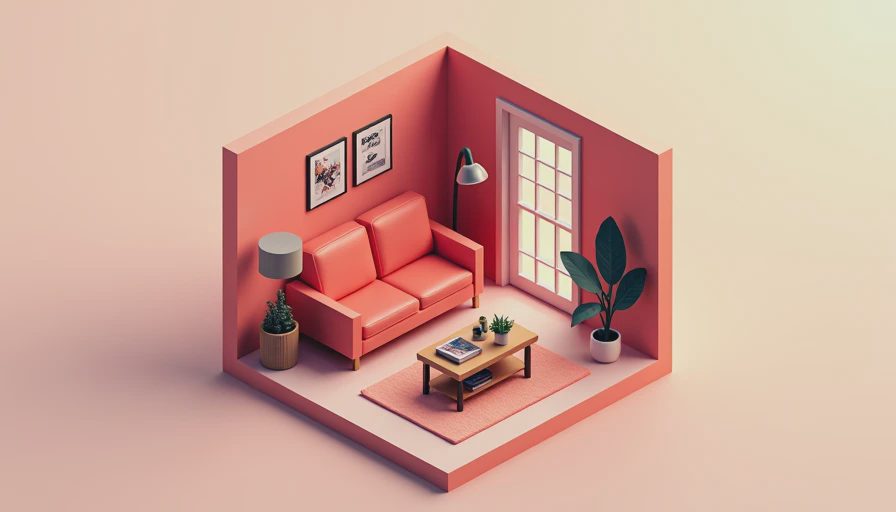
A sofa with narrow arms gives you more actual sitting space without increasing the overall width. Raised legs create visual breathing room underneath, which helps a small room feel lighter. Low, boxy frames can look wonderfully modern, but they often make a compact space feel visually heavy when paired with a thick coffee table and a large rug.
For a classic look, try a simple track-arm sofa in a warm neutral such as oatmeal, camel, or soft gray. If your room needs personality, a muted green or rust-colored apartment sofa can act as the main color anchor. I bought my green velvet sofa, Olive, after promising myself I would choose beige. Olive was more interesting, and she has survived several rearrangements, although Saffron the cat considers the left cushion her private property.
A loveseat is not automatically the best choice for a small room. Many loveseats have oversized arms and a deep seat, so they save less space than expected. A compact three-seat sofa with slimmer proportions can provide more usable seating and look less like a leftover piece from a college dorm.
Fabric Matters More Than the Color Swatch
Color gets all the attention, but fabric determines whether you enjoy living with the piece. If you have pets, frequent guests, or a habit of eating tomato sauce near the television, look for tightly woven performance fabric, microfiber, or a washable slipcover. “Performance” usually means the textile is designed to resist everyday stains and wear, but it does not mean you can ignore spills forever.
Ask for a sample and test it at home. Look at it beside your rug, curtains, wood tones, and lighting. A cool gray that looks elegant under a showroom’s bright lights can turn blue next to your warm oak floor. Sit on the sample if the retailer provides a larger swatch, and rub it between your fingers. Rough fabric may become irritating, while very smooth fabric can show every crease.
If you love linen, understand its personality. Linen blends offer a relaxed, textured appearance but can wrinkle, especially on loose cushions. Velvet feels rich and photographs beautifully, though it can show pressure marks. I once ordered a pale boucle chair that looked dreamy online and collected every crumb in my kitchen. It went back within a week.
Think Through Real-Life Comfort
A beautiful apartment sofa is still a bad purchase if you cannot sit comfortably for an hour. Seat height around seventeen to nineteen inches works for many adults, but your legs and preferences matter more than a number. Sit all the way back. Your knees should not be pushed upward, and your feet should rest comfortably on the floor.
Check the cushion construction, too. Foam cushions offer a neat, supportive look. Down or feather blends feel softer but need regular fluffing. A combination of foam core and feather wrap is often a practical middle ground. Removable seat and back covers make cleaning easier, although not every cover is safe for a washing machine. Read the care label before assuming “removable” means “washable.”
If you nap often, consider a deeper seat or a chaise, but measure carefully. A chaise can make a room feel luxurious while also taking over the only open floor area. In a studio, an apartment sofa with a reversible chaise can be more flexible than a fixed sectional because you can change the orientation after moving or rearranging.
Build the Room Around the Sofa Without Matching Everything
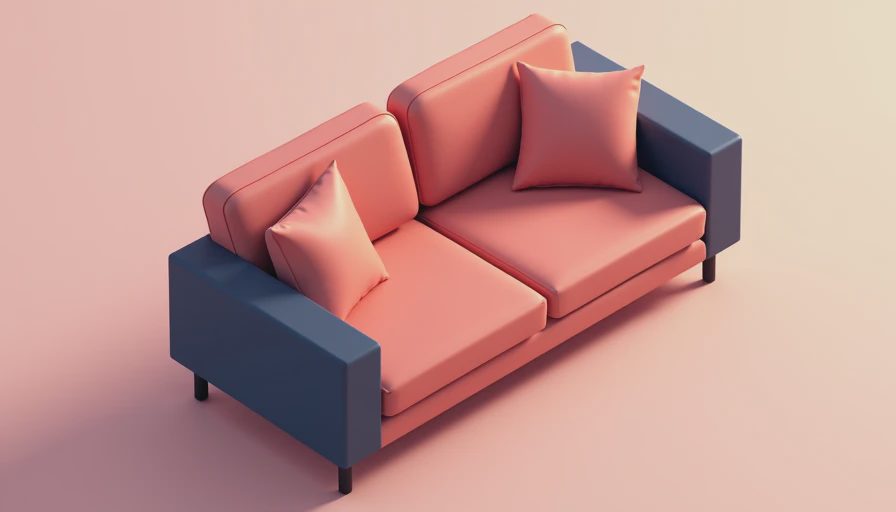
Once the sofa is chosen, resist the urge to buy a complete matching set. A living room feels more personal when the pieces coordinate without looking copied and pasted. Pair a neutral sofa with a patterned rug, a wood coffee table, and one accent color repeated in two or three small places. For example, a cinnamon pillow can connect a rust vase and a framed print without turning the room orange.
Scale is the quiet trick here. A tiny sofa with a huge rug looks lost, while a massive coffee table can make even a generous apartment feel blocked. The front legs of the sofa should usually sit on the rug, or the rug should be large enough to connect the sofa, table, and nearby chair. Leave a few inches between the sofa and wall when possible; that small gap can make the room feel less compressed.
Lighting will change the final color. A warm floor lamp can make cream upholstery glow, while daylight from a north-facing window may make it look cooler. Bring fabric samples to the room at morning, afternoon, and evening before committing to an expensive apartment sofa.
What to Spend and Where to Save
A basic apartment sofa can cost roughly $500 to $900, while a more durable midrange option often lands between $1,000 and $2,000. You do not need to spend designer money, but the cheapest available frame is rarely a bargain if the cushions flatten after one year. Look for a solid frame, reinforced joints, and a warranty that clearly explains what is covered.
Save money on decorative pillows, side tables, and styling. These are easy to replace and often available at estate sales, HomeGoods, Facebook Marketplace, or local thrift shops. Spend more attention on the seating surface, frame, and delivery experience. A $750 sofa with a $90 delivery charge is cheaper than a $600 sofa that requires renting a truck and recruiting four friends.
Retailers such as IKEA, Article, West Elm, Joybird, and local furniture stores offer different combinations of price, customization, and delivery. Read recent customer reviews for comments about cushion firmness, fabric accuracy, and shipping damage rather than relying only on the staged photos.
A Calm Buying Process for First Apartments
Start by saving five rooms you genuinely want to live in, not just images that perform well on Pinterest. Notice the repeated details: rounded arms, warm wood, low profiles, colorful upholstery, or lots of negative space. That pattern is your real style direction.
Next, create a short list of three sofas and compare their measurements side by side. Check the return policy, delivery access, warranty, cushion care, and total cost. If a retailer offers fabric samples, order them before placing the purchase. Mark the floor with tape, measure the entry route again, and take a photograph from the sofa’s intended viewing angle.
When the piece arrives, give yourself a few days to adjust the surrounding room. Move the rug, lamp, and coffee table before deciding something is wrong. The best apartment sofa often looks slightly unfamiliar at first because the room has been arranged around an empty space for weeks. Once the proportions settle, add the objects that make the room yours: a crooked thrifted print, a useful basket, a blanket within reach, and one pillow in a color you cannot stop thinking about.
A home does not need to look finished to feel good. Choose the seat that supports your actual life, measure twice, and let the rest develop gradually. Start with what you love. The rest finds its place.