There is a particular kind of optimism that arrives with a new apartment: the empty room, the clean walls, the fantasy that everything will finally have a place. Then the sofa arrives, blocks the only walkway, and suddenly you are eating dinner beside a cardboard box. Choosing furniture for small spaces is less about buying miniature versions of everything and more about giving each piece a job, a proportion, and a little breathing room.
I live in a 700-square-foot garden apartment, so I have made nearly every small-home mistake available. I bought a coffee table that looked elegant online and turned my living room into an obstacle course. I chose a bookshelf too deep for the wall and spent six months bumping into it. The good news is that a small room can feel generous when the layout is intentional. Start with what you love. The rest finds its place.
Begin With Measurements, Not Browsing
Before searching for furniture for small spaces, measure the room, doorways, elevators, stair turns, and the distance between windows and outlets. Write every measurement in your phone. A piece can fit along a wall and still fail because it cannot make the turn through your entryway.
For a living room, leave roughly 30 to 36 inches for a primary walking path when possible. You do not need a huge gap between every object, but you do need a route from the front door to the kitchen that does not require a sideways shuffle. Use painter's tape on the floor to mark a sofa, chair, or table footprint. This costs almost nothing and reveals problems before delivery day.
I also use a simple paper template for large purchases. Cut newspaper or flatten a shipping box to the furniture's length and depth, then place it on the floor. If the template makes the room feel crowded, the real piece will not become magically lighter once it arrives. Furniture for small spaces should support the way you actually move through a home, not just look attractive in a listing photo.
Choose Pieces That Earn Their Square Footage
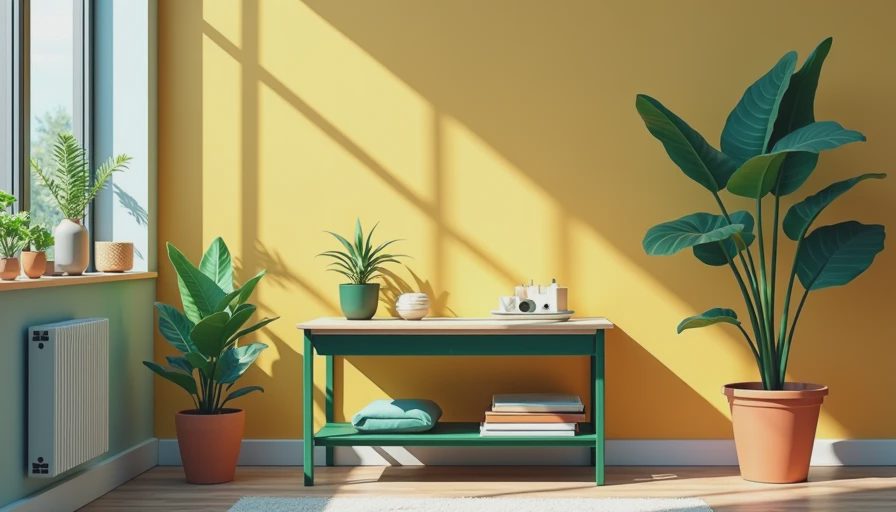
The best furniture for small spaces usually performs two jobs without looking like office equipment. An ottoman can provide a footrest, extra seating, and hidden storage. A console table can hold keys near the door and become a compact desk with a slim chair. A storage bed can replace a dresser in a bedroom where floor area is precious.
Look for a lift-top coffee table if you work from the sofa, but inspect the mechanism before buying. Some inexpensive models lift too high or wobble when typing. A nesting table set from Target, IKEA, or a local resale shop gives you flexible surface space without committing to one large rectangle. A drop-leaf dining table can seat two every day and four when friends come over.
The trick is not to fill every corner with a clever gadget. A room full of transforming furniture can feel busy and mechanical. Choose one or two hardworking pieces, then let the remaining items be beautiful. My favorite example is a small upholstered bench beneath a window: it stores baskets, offers a landing spot for laundry, and gives Saffron the cat a sunny perch.
Make Small Rooms Look Taller and Wider
Visual space matters as much as physical space. Furniture for small spaces feels less cramped when some of the floor remains visible. A sofa with visible legs, a glass-top table, or a chair with an open metal base allows your eye to travel beneath the piece. This does not mean every item needs to float; one grounded, substantial piece can make the room feel stable.
Use height strategically. A narrow bookcase that reaches toward the ceiling often stores more than a wide, low unit while taking up less valuable floor area. Wall-mounted shelves can hold books, framed art, or a small lamp, but install them securely and avoid placing heavy objects above seating.
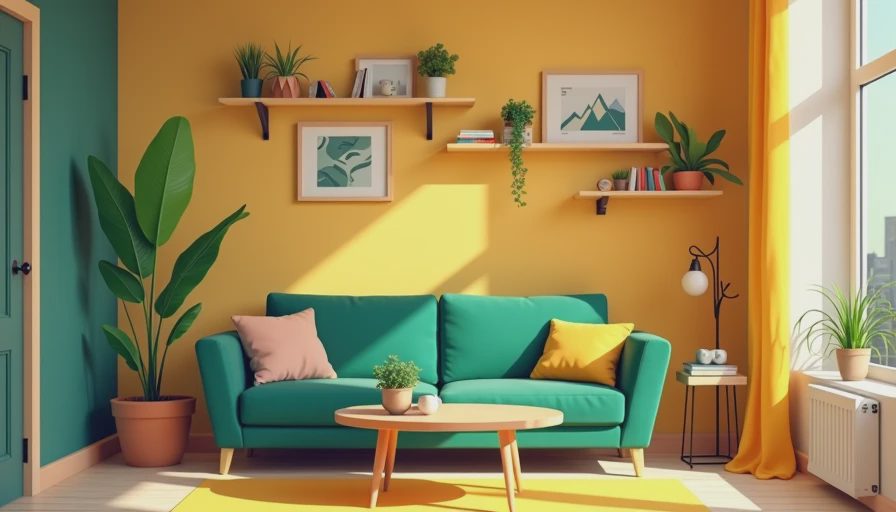
Color helps too. You do not need an all-white apartment. A warm clay wall, navy sofa, or olive green cabinet can look wonderful in a small room when the surrounding palette is restrained. Repeat one color in a pillow, artwork, or lamp so the room reads as connected rather than cluttered. Negative space is not wasted space; it is what lets the pieces you love be noticed.
Room-by-Room Furniture Ideas
In a small living room, start with the sofa because it sets the scale. A 72-inch apartment sofa may be more useful than a deep sectional, especially if you want a reading chair. Choose a storage ottoman instead of a separate coffee table when guests occasionally need an extra seat. A wall-mounted television can free a few inches, but a low media console with drawers may hide more visual clutter.
For the bedroom, measure the bed first and protect the walking sides you actually use. Two tiny nightstands are not mandatory; one narrow table and a wall sconce can be enough. Under-bed boxes, a tall wardrobe, and hooks behind the door often outperform a broad dresser. If you rent, removable hooks and freestanding furniture can create storage without permanent changes.
In the kitchen or dining area, a round table can make tight corners easier to navigate because it has no sharp corners to catch your hip. Two comfortable chairs are better than four chairs nobody can pull out. For an entryway, try a shallow cabinet, a mirror, and a small tray rather than a deep hall tree that swallows the walkway.
Shop the Budget Without Making the Room Look Cheap
Furniture for small spaces does not have to come from a single matching collection. In fact, matching everything can make a compact apartment feel like a showroom. Mix one new anchor piece with secondhand finds. Spend more on the sofa or mattress, where comfort and durability matter, and save on side tables, lamps, and decorative stools.
A practical starting budget might be $600 to $1,200 for a small sofa, $80 to $250 for a side table, and $150 to $400 for a storage cabinet, depending on materials and construction. At estate sales, inspect drawers, tighten hardware, and look underneath for water damage or pest evidence. Facebook Marketplace can be excellent for solid wood pieces, but bring measurements and arrange pickup safely.
For inexpensive items, improve the finish with better styling rather than pretending they are luxury pieces. Add a linen-look runner, replace a dated knob, or place a colorful lamp beside a basic cabinet. I once paid $35 for a scratched oak side table, sanded the roughest spots, and used it for years. It was never perfect, but it had more character than the glossy table I returned.
A Simple Plan Before You Buy
First, decide what the room needs to do: relax, work, eat, sleep, or some combination. Second, measure the room and mark the walking paths. Third, select one anchor piece that sets the scale and mood. Fourth, add storage only where clutter actually collects. Finally, bring in texture through a rug, curtains, cushions, or a woven basket rather than adding another large object.
When comparing furniture for small spaces, ask whether you can carry it, clean around it, and live with its visual weight. Check return policies, assembly requirements, and delivery dimensions. A $300 item that you cannot return is not a bargain if it arrives too deep for the room.
Your home does not need to look spacious in a real-estate photograph. It needs to feel easy on an ordinary Tuesday, with a place for your keys, your coffee, your books, and the imperfect things that make the room yours. Choose carefully, leave some air around the good pieces, and let your personality do the decorating.