If you have ever stood in an estate sale holding a floral lamp and wondered what is considered vintage, you are in good company. The word gets used for everything from a genuinely old oak table to a new pillow printed with a retro-looking pattern. In home decor, vintage usually describes an item that is old enough to show the design, materials, and craftsmanship of its era, but not so old that it belongs in the antique category.
The short version is useful: vintage pieces are generally about 20 to 100 years old. That makes a 1980s rattan chair vintage now, while a 2018 accent table is simply used or secondhand. The date matters, but so does the story a piece tells. A scratched wood frame with beautiful proportions can bring more life to a room than a flawless reproduction.
What is considered vintage versus antique?
The usual age guide is simple. Vintage means an item is roughly 20 to 100 years old. Antique generally means it is at least 100 years old. Retro describes something newer that copies the appearance of an earlier period, such as a 2024 diner-style bar cart with chrome trim and red vinyl.
These labels are not always applied consistently. A reseller might call a 1990s vase vintage because it has a recognizable design language, while another seller might reserve the word for pieces from the 1950s or earlier. Think of the terms as helpful clues, not legal categories. If you are buying a genuine antique, ask about age, repairs, materials, and provenance. For a decorative find, your eye and your budget are allowed to matter just as much.
A vintage piece can be mass-produced. It does not have to come from a famous designer or carry a dramatic history. My mid-century coffee table, Stan, came from a local estate sale for $85. Its walnut veneer has a small water mark, but the tapered legs and low profile give my living room the exact visual balance it was missing.
The eras that make vintage shopping easier
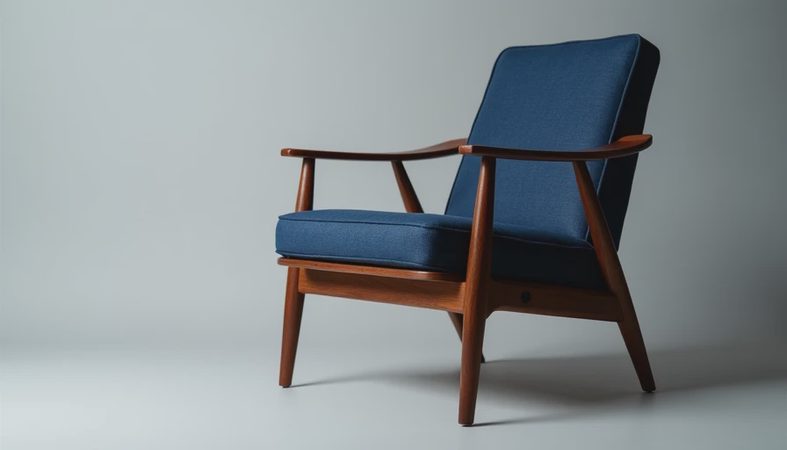
Knowing a few design periods helps you shop with intention instead of wandering through a thrift store waiting for a miracle. Mid-century modern usually refers to the 1940s through the 1960s, with clean lines, warm wood, tapered legs, and simple geometric shapes. A teak sideboard, brass reading lamp, or molded plastic chair can bring that feeling home.
The 1970s introduced more earthy color: olive, rust, mustard, tobacco brown, and cream. Look for smoked glass, cane, chunky ceramics, and sculptural lighting. The 1980s leaned into lacquer, brass, glass blocks, floral patterns, and stronger contrast. Even one small 1980s object, such as a black-and-brass table lamp, can keep a neutral room from feeling too polite.
If you are asking what is considered vintage in a practical shopping sense, these recognizable eras are a good starting point. You do not need to recreate a decade. Pick one or two details and let the rest of the room stay current.
How to tell whether a vintage find is worth buying
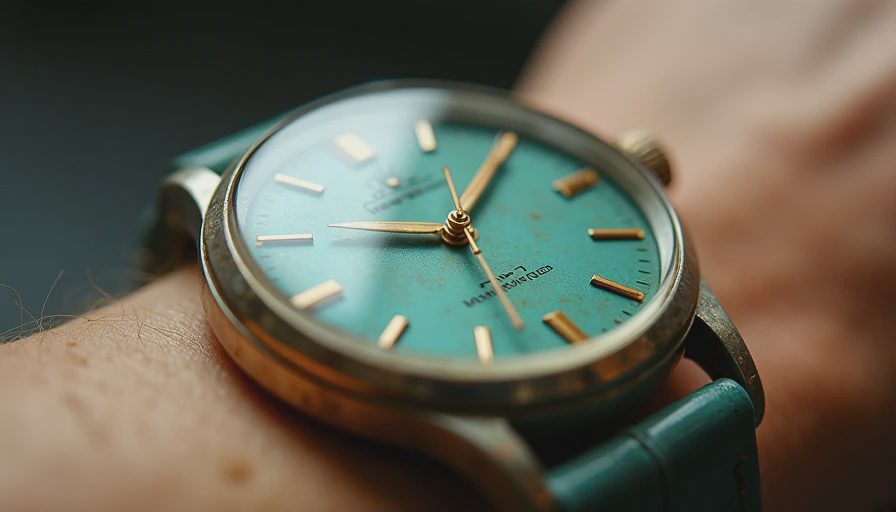
Start with construction. Open drawers and look at the joints. Dovetail construction, solid wood, metal hardware, and a substantial weight are encouraging signs, although they do not guarantee quality. Check the back, underside, and inside of a piece because those areas often reveal repairs, labels, or water damage.
Then inspect the condition honestly. A faded finish can be charming; swollen particleboard is usually a problem. Surface scratches on a $30 side table may be easy to live with, while a strong smoke smell in upholstered furniture can be difficult and expensive to remove. Sit in every chair, test every lamp switch, and make sure a cabinet door closes without forcing it.
Price the repair before you fall in love. A basic lamp rewiring might cost $40 to $100, depending on the fixture and location. Professional upholstery can easily run several hundred dollars, which is why I am more comfortable buying a faded wood table than a tired vintage sofa. A beautiful shape is not automatically a bargain.
What is considered vintage in textiles and accessories?
Textiles can qualify even when their age is harder to prove. A handwoven wool rug from the 1970s, a needlepoint pillow from the 1960s, or embroidered linen napkins from an older estate can all bring texture and personality. Look for natural fibers, consistent wear, and colors that have softened rather than simply appearing artificially distressed.
With fabric, condition is the main question. Hold a rug up to the light and look for thin areas, moth damage, and repairs. Smell vintage linens before buying them, because mustiness can linger. Washable cotton curtains are a safer first purchase than delicate silk panels. You can also use a single textile as a small dose of history: one block-print cushion on a new sofa is enough to make the room feel collected.
For accessories, search for ceramic vases, framed prints, brass candlesticks, wooden bowls, and small boxes. These items usually cost less than furniture and are easier to carry, clean, and rearrange. A $12 amber glass vase can do more for a shelf than six random decorative objects bought in one afternoon.
How to style vintage pieces without making a room feel dated
Balance is the trick. Pair an older item with something clean and simple. A vintage dresser looks fresh with a contemporary mirror. An old landscape painting feels less formal above a streamlined sofa. A 1970s ceramic lamp can sit on a modern side table if the colors connect.
Repeat one color, not an entire decade. If your vintage chair has rust-colored fabric, echo that shade in a small pillow or the spine of a book. Keep surrounding shapes varied: rounded pottery beside a rectangular frame, or a sleek lamp near a carved wood bowl. This creates rhythm without turning your home into a theme set.
Scale matters, too. A tiny vintage object disappears on a large bookcase, while one oversized framed textile can dominate a small rental. Before buying, measure the spot and take a photo. I once carried home a wonderful rattan screen for $45, only to discover it swallowed half my 700-square-foot living room. It became a closet divider instead, where its size finally made sense.
Where to shop and how to shop smarter
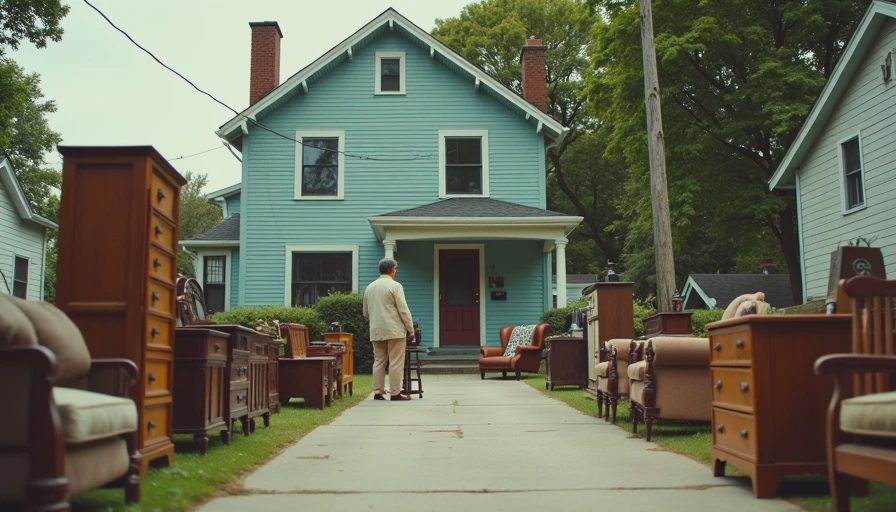
Estate sales are excellent for lamps, serving pieces, linens, and small furniture because you can see items in a real home. Thrift stores are better for affordable experiments, especially if you are still learning your taste. Architectural salvage shops can have wonderful doors, mirrors, and hardware, but prices vary widely. Online marketplaces offer the broadest selection, though shipping can turn a $60 chair into a $180 purchase.
Bring a measuring tape, a flashlight, cleaning wipes, and a way to transport your find. Save screenshots of shapes and colors you love so you can recognize them quickly. I keep a phone note that says “small walnut table, warm brass lamp, landscape art under $100.” That list has saved me from buying three almost-right objects simply because they were available.
Ask the seller what they know, but do not expect a perfect history. Search labels and maker marks when they exist, then decide whether you like the piece on its own merits. The best answer to what is considered vintage is not a trendy label; it is an older object with enough beauty, usefulness, and character to earn space in your home.
A simple vintage decorating plan
Choose one anchor piece first, such as a dresser, mirror, rug, or chair. Give it a clear job in the room. Next, add one smaller item that repeats a color or material from the anchor. Finish with something modern and functional, such as a new lamp shade, crisp bedding, or simple curtain panel.
Set a spending limit before you shop. A realistic starter budget might be $25 to $75 for accessories, $75 to $200 for a small table, and more for seating that needs professional work. Leave room for cleaning supplies, replacement hardware, or rewiring. Vintage decorating should make your home feel more personal, not create a pile of projects you resent.
Most importantly, start with what you love. The rest finds its place. If the object makes you pause, fits your room, and can survive your actual daily life, it is probably worth considering whether it meets the definition of vintage.