A vinyl record cabinet is one of those rare furniture pieces that can solve a practical problem and make a room feel more personal at the same time. Your records stay organized, your turntable gets a proper home, and a blank wall suddenly has a story to tell. I love that better than adding another decorative bowl nobody is allowed to use.
The right piece depends on your collection, your listening habits, and the visual language already happening in your room. A 700-square-foot apartment needs a different solution than a dedicated music room. You do not need a designer budget, either. You need good proportions, sturdy shelves, and enough breathing room around the equipment.
Start with the size of your collection
Before shopping, count your records or estimate honestly. A standard 12-inch vinyl record is roughly 12.3 inches square, and it needs to stand vertically. Do not plan around a shelf that is exactly 12 inches deep; sleeves can rub against the back, and you will hate trying to pull one album from a tightly packed row. Look for interior depth of at least 13 inches and a little extra height above the records.
A small collection of 50 to 100 albums can fit comfortably in a cabinet about 30 to 36 inches wide. For 150 to 250 records, consider a piece closer to 48 inches wide or a modular setup with two sections. A good vinyl record cabinet should not be stuffed completely full. Leave roughly 15 percent of each compartment open so you can browse without bending sleeves or knocking over the entire row.
Do not forget your equipment. A turntable needs a level surface, and many listeners also need space for an amplifier, speakers, headphones, or a small cleaning kit. Measure the components first, including cables. Then add a few inches for ventilation and access. That five-minute measuring exercise can save you a very annoying return trip.

Choose materials that can handle real life
Solid wood is attractive and durable, but a well-made veneer cabinet can be a smarter buy for an apartment. Veneer uses a thin layer of real wood over a stable engineered-wood core, so it can offer the warmth of walnut or oak without the price of a large solid-wood case. In the $150 to $400 range, you can often find useful options with adjustable shelves and cable openings.
A metal-frame vinyl record cabinet works beautifully in a loft, eclectic living room, or space with black curtain rods and picture frames. Just make sure the shelf edges are smooth and the frame does not wobble when you lift the tonearm. Open shelving costs less and makes browsing easy, but it also exposes records to dust and sunlight. If your collection sits near a bright window, doors or a less exposed wall are worth considering.
Particleboard is not automatically bad. I have owned inexpensive storage that lasted for years. The warning signs are thin shelves, unfinished edges, and a back panel that flexes when you touch it. Records are heavier than they look, so a shelf that bows under pressure is not a bargain for long.
Match the cabinet to your room, not a showroom
A vinyl record cabinet can be handsome without becoming the loudest thing in the room. If your sofa is soft and rounded, a cabinet with simple vertical lines can add structure. If you already have a lot of straight-edged furniture, try a warm wood finish or curved handles to keep the space from feeling like an office.
Color matters more than people think. Walnut and medium oak bring warmth to white, cream, navy, and olive rooms. Black works with almost anything, but it creates more visual weight, especially in a small space. Pale oak can make a narrow room feel lighter. I would avoid matching every wood finish exactly; a close-but-not-identical collection usually looks more collected and less like a showroom package.
Think about negative space, too. A cabinet crammed between the sofa and a doorway will always feel awkward, even if it is beautiful. Give the doors or drawers room to open, keep at least a few inches from the baseboard when possible, and avoid blocking a vent. Furniture has to work at 7 a.m. on a Monday, not just in a styled photograph.
Make the listening setup easy to use
Your vinyl record cabinet should support the ritual, not turn it into an obstacle course. Put the turntable at a comfortable standing or seated height, usually around 30 to 36 inches depending on your chair and preference. Keep frequently played albums in the easiest-to-reach section. Less-used records can live lower down, but avoid storing the heaviest rows above shoulder height.
Cable management is the small detail that separates intentional from improvised. Look for a rear opening, or plan to drill one with a hole saw if the material allows it. Use adhesive cable clips along the back rather than letting cords spill over the side. Leave space for airflow around an amplifier, and keep speakers on separate stable surfaces when possible. Vibrations can affect playback, especially if speakers sit directly on a thin shelf beside the turntable.
If you rent, choose a freestanding unit instead of planning a wall-mounted system. A narrow cabinet can move with you, and it does not require permission, anchors, or a patching kit when your lease ends. I learned this after installing shelves in an apartment I left nine months later. The shelves looked great. The security-deposit conversation did not.
Style the top without losing the music
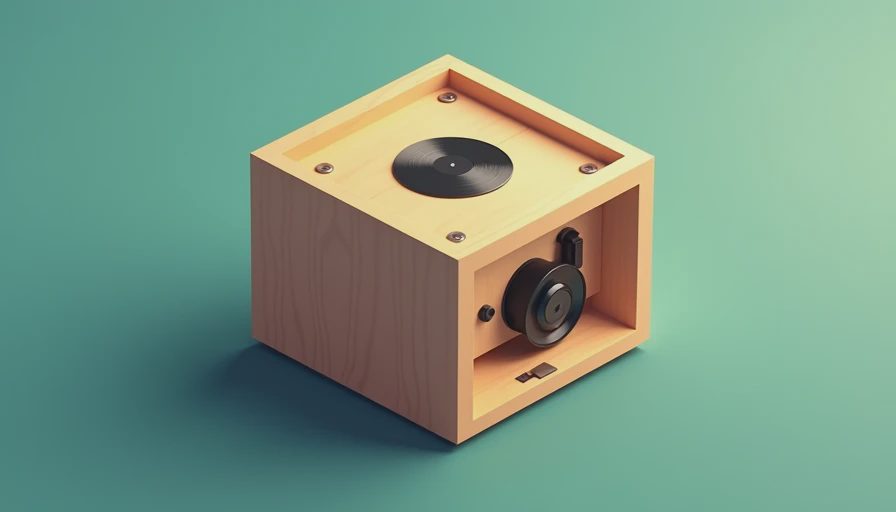
The top of a vinyl record cabinet is useful real estate, but it does not need to become a crowded altar to every hobby you have ever had. Give the turntable the main position, then add one or two supporting objects: a small lamp, a ceramic dish for a stylus brush, or a framed concert print leaning against the wall.
A vinyl record cabinet looks especially considered when the objects around it repeat a color from somewhere else in the room. Pull rust from an album cover into a pillow, or echo a green plant in a nearby throw. This is color theory in its least intimidating form: repeat one shade twice and the room starts making sense.
Keep drinks, candles, and open plant soil away from the equipment. A pretty glass of water can become a disaster if a cat, elbow, or enthusiastic dance move sends it toward your records. Saffron has personally tested this principle with a vase, so I speak from experience.
Shop smarter and avoid the common mistakes
When comparing pieces, inspect the interior dimensions rather than trusting the exterior width. Ask whether shelves are fixed or adjustable, whether the back is finished, and whether the unit arrives assembled. Shipping and assembly can add $50 to $150 to an otherwise inexpensive purchase. For secondhand cabinets, check for musty smells, water marks, swollen particleboard, and shelves that sag in the middle.
Search estate sales, Facebook Marketplace, local vintage shops, and resale furniture stores using terms such as media console, record storage, stereo cabinet, and credenza. Older cabinets can be excellent, but measure the compartments before buying. Some vintage stereo consoles have beautiful woodwork and almost no usable depth for modern equipment.
The best vinyl record cabinet is the one you will actually use. If you want hidden storage, choose doors. If browsing is part of the pleasure, choose open compartments. If your collection is growing quickly, buy a modular piece rather than pretending 80 records will remain 80 records forever. Start with what you love. The rest finds its place.