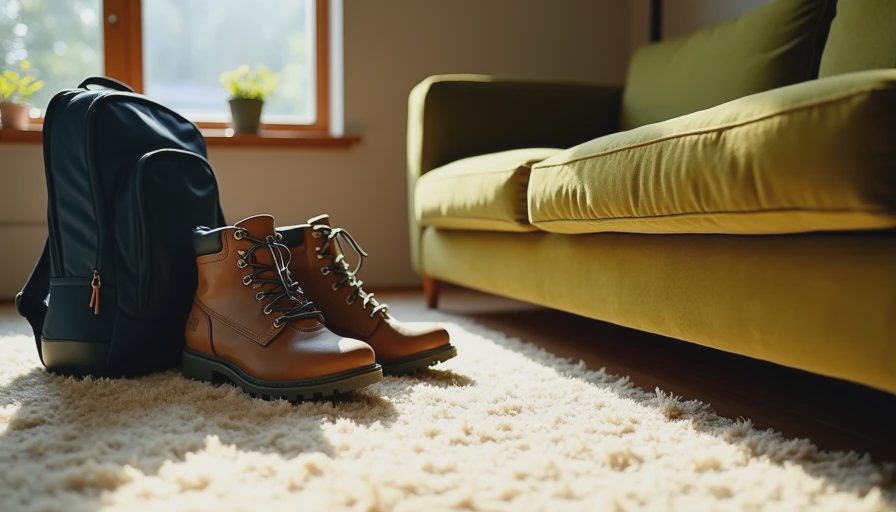
If you had told my college self—the one who spent a chilly November weekend shivering in a cheap, soggy cotton hoodie on the Delaware & Raritan Canal towpath—that performance gear would one day dictate how I decorate my Princeton apartment, I would have laughed right into my lukewarm thermos.
Back then, "performance fabric" sounded like corporate tech-speak meant strictly for marathon runners, alpinists, and mountaineers. Inside the home, the conventional wisdom dictated a life of delicate cottons, dry-clean-only linens, and fabrics that surrendered the absolute second a stray drop of coffee or wine hit them. We treated our living rooms like pristine museum exhibits rather than spaces meant for actual living.
Then I spent a few consecutive seasons hiking the Sourland Mountain Preserve through torrential autumn downpours, muddy spring thaws, and unexpected July heatwaves, thoroughly testing out breathable rain shells, moisture-wicking baselayers, and ripstop shells. That’s when the ultimate lightbulb went off.
“Start with what you love. The rest finds its place.”
What Hiking Taught Me About Home Textiles
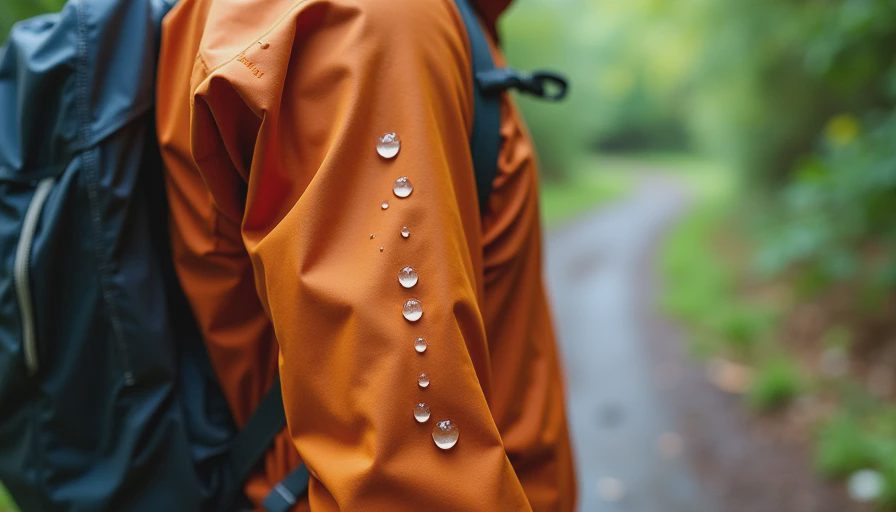
Outdoors, your life and comfort literally depend on what you wear. If your outer shell traps sweat, you freeze from the inside out. If it absorbs water, you drown in your own moisture. High-end outdoor gear has to be rigorously engineered for real, messy, unpredictable environments.
So why on earth do we treat our living spaces with such fragile kid gloves? Why do we buy furniture upholstered in fabrics that panic at the mere sight of a wet glass or a cat’s claws?
Breathability Isn't Just for Raincoats: Premium outdoor materials are engineered to let body vapor circulate while blocking external moisture. When that same structural logic is applied to indoor upholstery—like performance velvet or specialized high-grade synthetic blends—it means your sofa doesn't trap body heat or feel like sticky plastic during a humid July afternoon. It actually breathes.
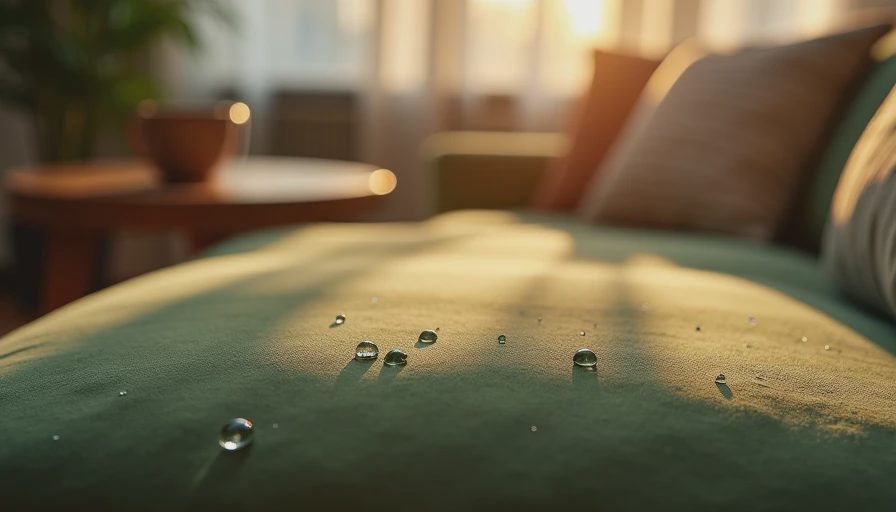
The Physics of Moisture Management: Any experienced hiker knows the old golden rule: cotton kills because it holds moisture right against your skin. Inside your home, untreated cotton and loose linen act in the exact same frustrating way with spills, greedily absorbing liquids and oils straight down into the foam cushion. Modern performance fabrics use hydrophobic yarn structures that tell moisture to stay right on the surface, waiting patiently for a simple wipe-down with a damp cloth.
Durability Without the Stiffness: Old-school, industrial "durable" indoor fabrics felt like burlap sacks or stiff canvas. Modern outdoor technology completely shattered that compromise, proving you can have incredible tensile strength, tear resistance, and abrasion scores while keeping things touchable, soft, and deeply tactile.
Translating the Trail to the Living Room
Bringing these technical lessons indoors doesn't mean your home has to look like an expedition outfitter's showroom. It simply means choosing smart textiles that work with your daily routine instead of demanding constant maintenance, fussy steam-cleaning, or endless stress.
Look closely at the weave: When shopping for soft furnishings, ask about rub counts, backing types, and fiber construction. If a fabric can handle a rugged ten-mile trek through rocky brush, briars, and sudden downpours, it can certainly handle movie night, clumsy guests, and everyday lounging.
Prioritize utility in high-traffic zones: Just as you wouldn't wear a delicate silk blouse on an exposed mountain ridge, don't put high-maintenance, unblended linen on the accent chair where you sit every single morning with a mug of coffee and a cat in your lap.
When your home textiles are as smart, resilient, and forgiving as your favorite outdoor gear, you finally stop tiptoeing around your own space. You actually sit down. You curl up. And your living room transforms into a sanctuary where you can truly live.
Summary Checklist: Outdoor Tech vs. Indoor Living
Principle | On the Trail | In Your Home |
Moisture Control | Rain jackets actively repel water | Performance velvet beads up spills instantly |
Friction & Wear | Ripstop technical fabrics resist snags | Tight, dense piles shrug off daily pet claws |
Thermal Comfort | Breathable layers prevent overheating | Smart synthetic blends keep furniture comfortable year-round |
The Mindset | Gear should free you to explore fearlessly | Decor should free you to actually live without stress |
What about you? Have you ever taken a practical design lesson from a hobby completely outside your home—like cooking, hiking, or travel—and used it to solve an interior design headache? Drop a comment below and let's talk about it!