Green is one of those colors that can look expensive, cozy, or a little chaotic depending on what you put next to it. If you are trying to figure out colors that go with green, the trick is not finding one perfect match; it's deciding whether you want the room to feel crisp, earthy, moody, or soft. A sage pillow needs a different partner than an emerald velvet chair, and that is where most people get stuck. Start with what you love. The rest finds its place.
Look at the shade of green first
If the green has gray in it, like sage, eucalyptus, or olive, it usually plays well with warm neutrals, clay tones, and muted pinks. If it leans jewel-toned, think emerald or bottle green, it can handle more contrast: ivory, black, brass, and deep navy. Bright grass green is the troublemaker. It likes clean, simple partners because too many competing tones make it look juvenile fast. In my own apartment, Olive the sofa is a deep velvet green, and she looks best with cream linen, walnut wood, and one small hit of rust. That mix keeps the room from feeling too matchy. There is usually a sweet spot between too bland and too busy, and green shows it fast. Testing a swatch beside a pillow or curtain in daylight will tell you more than staring at the paint chip under store lights.
The easiest pairings when you want a room to feel calm
For the most forgiving look, start with cream, ivory, oatmeal, and soft beige. Those colors let green do the talking without making the space feel flat. White works too, but I prefer a softer white in living rooms because stark bright white can make some greens look colder than they really are. If the room needs warmth, add tan leather, honey oak, or terracotta. This is where colors that go with green become less about style rules and more about balance. A green sofa with a jute rug and a walnut table feels relaxed; the same sofa with glossy black accents reads sharper and more tailored. If you rent, this is also the easiest lane because you can swap pillows and curtains instead of repainting everything. Add linen blinds, a wool throw, and one ceramic lamp, and the whole thing starts to feel finished without feeling expensive.

If you want more contrast, go darker or richer
Green looks especially good with navy, charcoal, chocolate brown, and matte black when you want the room to feel grounded. Navy and green together can feel tailored and classic, especially if you repeat one metal finish, like brushed brass or aged bronze, so the whole room does not turn into a color experiment. Chocolate brown has been having a very convincing comeback because it makes green feel deeper and less seasonal. I like this pairing in bedrooms and offices, where a darker palette can feel restful instead of heavy. If your green is already bold, keep the supporting colors quieter. Let one thing be the star and let the rest do the job of framing it. A forest green chair beside a black floor lamp and camel throw is enough. You do not need eight patterns fighting for attention.
Add one unexpected accent so the room feels finished
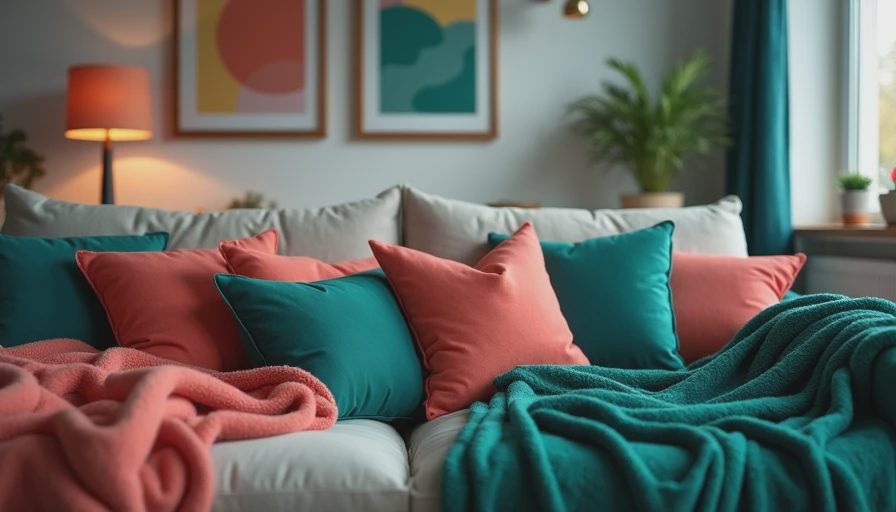
Once the main palette is set, the small accents decide whether the room feels styled or accidental. Dusty pink, muted plum, rust, and even a little golden yellow can warm up green in a way that feels collected, not trendy. The key is dosage. A pink lamp base or a rust lumbar pillow gives the eye a resting place, but a whole room of saturated accents can make green look busy. This is where I think people overbuy. They see a pretty pillow on Instagram, then a second pretty pillow, and suddenly the sofa has 11 cousins. Pick one accent family and repeat it twice. If you are using brass, use brass in at least two places. If you are using dusty rose, echo it in a print or vase so it does not feel random. In practice, that is how colors that go with green start to feel intentional instead of decorative by accident.
Room-by-room combinations that rarely miss
In a living room, green usually looks best with cream walls, warm wood, and one darker anchor like black or navy. In a bedroom, soft sage with oatmeal bedding and a little brass feels restful without being bland. In a kitchen, green cabinets or stools can handle white tile, oak, and even a small amount of gray stone. In an entryway, I like green with a checkerboard rug, tan leather, or a framed print that repeats the same undertone. The best part is that you do not need every piece to match. You need them to sound like they belong in the same conversation. When I am thrifting, I test this by mentally pairing a piece with the sofa, the rug, and one lamp. If it works with those three, it usually works in the room. That quick test saves me from buying the wrong shade of beige for the third time.
A simple way to choose without overthinking
If you are stuck standing in the paint aisle or staring at pillows online, do this: name the green first, then choose one quiet neutral and one supporting accent. Sage likes cream and clay. Emerald likes ivory and navy. Olive likes tan and rust. Mint likes white and light wood. You do not need to decorate like a color wheel exploded. You need a few colors that make the green look better than it did alone. The nicest rooms usually feel edited, not crowded, and that comes from repeating a small palette on purpose. If you remember nothing else, remember this: colors that go with green are the ones that respect its undertone, keep the palette balanced, and let the room breathe. Start with what you love. The rest finds its place.