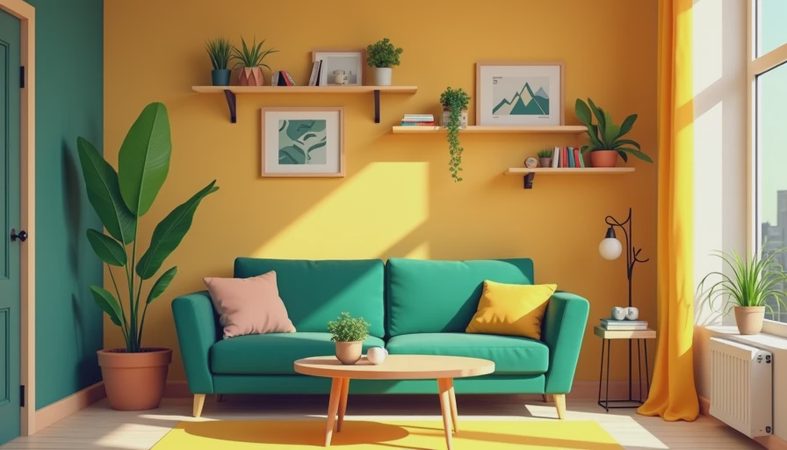
A mid century modern kitchen should feel warm, useful, and a little bit collected—not like you ordered every item from the same showroom. Think walnut or teak tones, simple cabinet fronts, playful color, and lighting that makes even Tuesday-night leftovers feel intentional. You do not need a historic house, a full renovation budget, or a perfect open floor plan to get there. Start with what you love. The rest finds its place.
I am not an interior designer. I am a graphic designer who could not stop decorating her own apartments, and kitchens have taught me more about proportion than any mood board ever did. The secret is choosing a few strong visual ideas, then leaving enough quiet space around them.
What Makes a Mid Century Modern Kitchen Work
The style grew out of the postwar design movement, but you do not need to recreate a 1950s time capsule. The most recognizable ingredients are clean lines, natural wood, tapered or slim silhouettes, geometric shapes, and colors with a little earthiness. A muted avocado green, ochre, rust, walnut brown, or warm white usually feels more convincing than a collection of bright primary colors.
Proportion matters more than labels. If your cabinets are plain white, a walnut cutting board, teak stool, and globe pendant can introduce the right note without making the room look themed. If you already have honey oak cabinets, do not rush to paint them. Pair them with cream walls, matte black hardware, and one strong color instead of adding five competing wood tones.
In my own 700-square-foot apartment, the biggest improvement was not a new cabinet. It was removing the pile of appliances from the counter and giving the toaster one permanent home. Negative space is not wasted space; it lets the good pieces be seen.
Choose Cabinets, Hardware, and Countertops Without Starting Over
Cabinet doors establish the room's visual rhythm, so look for flat-front or gently slab-style doors if you are renovating. Full replacement can easily run into the thousands, but painting existing doors and changing hardware can create a meaningful shift for far less. A quart of quality cabinet enamel often costs around $40 to $70, while a set of simple pulls may cost $50 to $150 depending on the size and material.
For a rental, focus below eye level. Swap temporary knobs if your lease allows it, add a removable wood-look shelf, or use a freestanding bar cart as a coffee station. Keep the original hardware in a labeled bag so the update can be reversed. I once bought beautiful brass pulls for an apartment, only to discover the holes did not line up. Measure the distance between screw centers before buying anything. That five-minute step would have saved me a return trip and a mildly dramatic hardware drawer.
Countertops should support the palette rather than compete with it. White quartz is practical and clean, but butcher block, warm laminate, or a softly veined stone can bring more character. The goal is contrast: wood against white, colored tile against simple cabinets, or a dark counter balanced by warm lighting.
Use Color Like a Designer, Not a Catalog
A successful mid century modern kitchen usually has one dominant neutral, one wood tone, and one accent color. That is enough. Start with the fixed elements you cannot easily change, such as flooring, backsplash, or countertops. If the floor is orange-toned oak, a cool gray wall can make it look harsher. Cream, clay, or a muted sage will usually cooperate better.
Try the 60-30-10 approach as a loose guide: about 60 percent of the room in the main neutral, 30 percent in wood or a secondary color, and 10 percent in accents. This might mean warm white walls, walnut stools and shelves, then rust-colored seat cushions and a green vase. It is not a rule handed down from a design mountain. It is simply a way to stop every object from shouting at once.
Paint samples are essential. Tape large swatches beside the cabinets and view them in morning, afternoon, and evening light. The pale beige that looked perfect at the store may turn pink beside oak. I learned this after painting one wall what I called “soft mushroom” and what my friends called “the color of wet cardboard.” The second sample was much better.
Lighting Is the Fastest Mood Changer
If your kitchen has one ceiling fixture, lighting is probably the most noticeable upgrade available. A milk-glass globe, cone pendant, or compact sputnik-inspired fixture can add period character while still feeling current. Look for affordable options from retailers such as Schoolhouse, IKEA, West Elm, or local vintage shops, then compare dimensions carefully. A pendant that looks charming online can overwhelm a small kitchen if it is too wide.
Layer the light whenever possible. Use an overhead fixture for general illumination, under-cabinet strips for chopping and cleanup, and a small lamp on a nearby shelf for warmth. Plug-in sconces and rechargeable puck lights are useful for renters. Choose bulbs around 2700K to 3000K for a cozy white rather than a blue, office-like glow.
In a mid century modern kitchen, the fixture can be the jewelry, but jewelry still needs an outfit. If the pendant has a strong brass finish, keep the other metals quiet. If it is a sculptural black shape, repeat a little black in the faucet, picture frame, or cabinet pulls so it feels connected rather than random.
Add Vintage Character Without Making It Cluttered
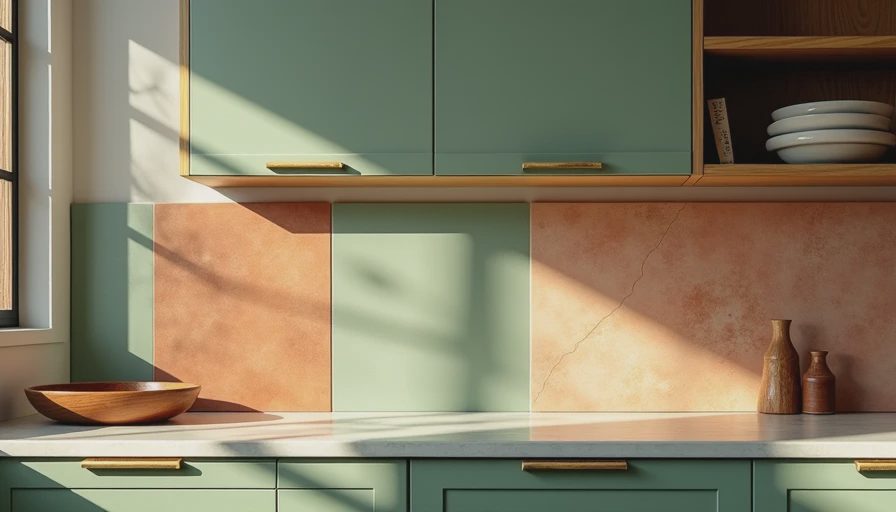
The best accessories are useful first. A teak knife block, ceramic canister, wooden salad bowl, linen runner, or amber glass bottle can bring texture without filling every inch of counter space. Estate sales are especially good for wood trays, barware, and small pottery. I keep a note on my phone with measurements for the open shelf and counter corners I am trying to fill, because “approximately this size” is how I ended up with three trays that could not sit anywhere flat.
Choose one or two vintage-looking pieces with a clear shape. A starburst clock, framed botanical print, or colorful ceramic pendant may be enough. Repeating the same retro motif throughout the room can quickly make the kitchen feel like a costume set. Mix old-looking objects with plain modern basics, such as stainless appliances and simple white dishes.
Plants help soften hard surfaces, especially in a mid century modern kitchen with lots of tile or flat cabinetry. A pothos on a high shelf, a small herb pot near a window, or a trailing plant in a ceramic planter adds life without demanding a remodel. Just keep leaves away from burners and give yourself enough room to wipe the counter.
A Practical Shopping Plan for Any Budget
For a budget under $150, start with cabinet pulls, a cutting board, a washable runner, and warm LED bulbs. For $150 to $500, consider a pendant, two counter stools, open shelving, or a well-chosen vintage piece. If you have more to spend, prioritize changes that affect the room every day: durable flooring, better task lighting, cabinet fronts, or a countertop you will not resent cleaning.
Before purchasing, photograph the kitchen from each doorway. Make a short list of what bothers you most: the yellow light, crowded counters, blank walls, or mismatched stools. Solve those problems in order rather than buying attractive objects at random. A $35 runner that hides a tired floor may make a larger difference than a $200 decorative appliance.
The finished room should support your real life. Leave space for grocery bags, baking projects, and the mug you use every morning. A mid century modern kitchen is successful when its lines feel considered but the room still welcomes a friend to pull up a chair. Start with what you love, edit what you do not use, and let the personality arrive through color, wood, light, and a few pieces with a story.