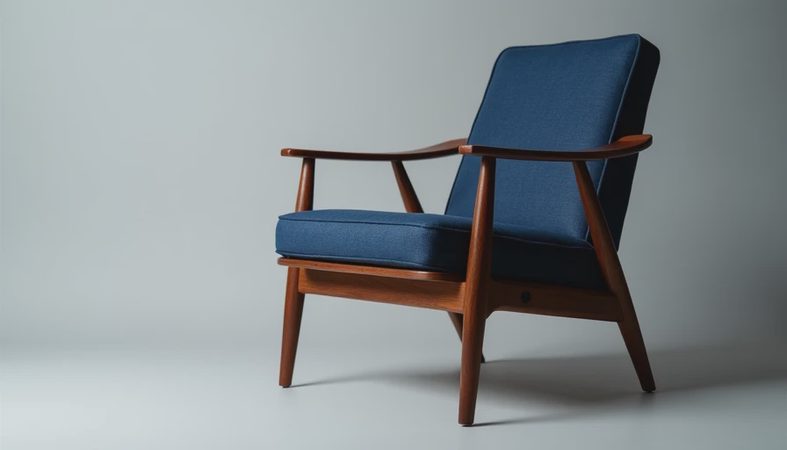
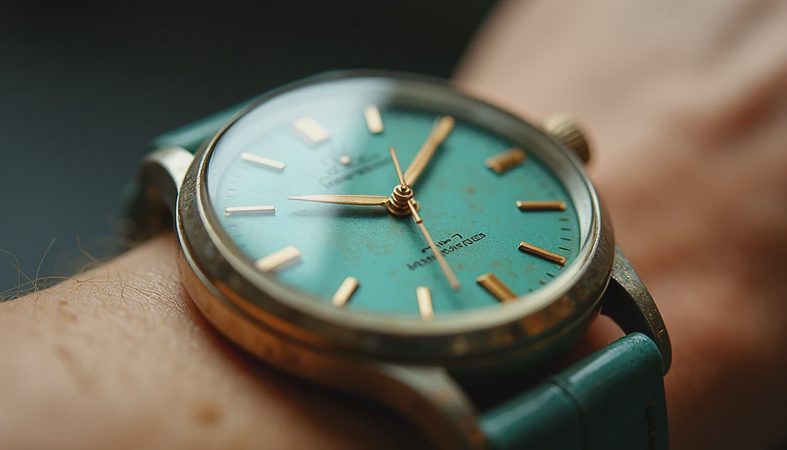
If you've ever stood in an estate sale holding a floral chair and wondered, "how old is vintage?" you're in good company. The word sounds precise, but in home decor it is more of a useful category than a strict legal label. Usually, vintage means an item old enough to show the design, materials, and workmanship of a previous era, but not generally old enough to be called antique. For most decorating purposes, you're looking at pieces roughly 20 to 100 years old.
That broad range is actually good news. You do not need a museum-quality budget or a perfect knowledge of furniture history to bring vintage pieces home. You need a little context, a willingness to inspect what you're buying, and a plan for mixing older finds with the things you already own.
How old is vintage in furniture and home decor?
In everyday American decorating, an item is commonly considered vintage when it is at least 20 years old. A lamp from the late 1990s can qualify, although many shoppers use the word more comfortably for pieces from the 1950s through the 1980s. Once an object reaches 100 years old, sellers and collectors generally call it antique. Items made recently but designed to look old are usually described as reproduction, retro-inspired, or new vintage-style decor.
So, how old is vintage when you are shopping for a sofa, mirror, or side table? The answer depends partly on the object. A 1980s rattan chair can feel unmistakably vintage because its shape and woven texture belong to a recognizable period. A plain wood stool from the same decade might look timeless rather than vintage. Age matters, but design language matters just as much.
I think of vintage as a conversation between age and personality. The piece should carry some evidence of its time, whether that is a sculptural silhouette, a particular fabric, a warm wood finish, or hardware you would not see on a mass-market item today.

The difference between vintage, antique, retro, and old
These terms overlap, which is why shopping listings can feel like a vocabulary test. Antique usually describes something at least 100 years old, though the exact use can vary by market and category. Vintage generally covers the 20-to-100-year range. Retro often refers to a newer item that borrows visual cues from an earlier period, such as a diner-style barstool made in 2024 with a 1950s shape.
Old is the broadest word of all. An old item can be charming, valuable, badly made, beautifully made, or simply worn out. Age alone does not give a piece quality. If you are asking how old is vintage because a seller has attached the label to a listing, treat the word as a starting point, not proof of authenticity.
For example, a $35 pressed-glass vase from a thrift store may be vintage, while a $500 hand-carved cabinet may be antique. The first could bring color to your bookshelf; the second might need careful transport and restoration. Neither is automatically the better buy. Your room, budget, and tolerance for maintenance matter more than the label.
How to tell whether a vintage find is worth buying
Start with condition, especially when the item has a practical job. Sit in every chair before buying it. Open drawers and look for smooth movement, solid joints, and signs of swelling. For upholstered pieces, check underneath cushions and along seams for odors, stains, insect evidence, or crumbling foam. A $75 vintage armchair can become a $400 project after professional reupholstery, so price the repair before you fall in love.
Next, look at materials. Solid wood, real brass, wool, cotton, and well-made joinery are encouraging clues, but they are not guarantees. Veneer is not automatically bad; vintage cabinets often use beautiful, durable veneer over a stable wood base. Check for lifting edges, deep water damage, and repairs that change the structure of the piece.
Hardware can tell you a lot. Screws with modern Phillips heads do not prove a piece is new, but unusual fasteners, aged drawer runners, and consistent wear can support an older date. Labels, stamps, and manufacturer marks are helpful too. Photograph them before you leave and search the maker later rather than relying on a confident seller's guess.
How old is vintage when the piece is from the 1980s or 1990s?
This is where many decorators hesitate. In 2026, 1980s pieces are around 36 to 46 years old, and 1990s pieces are around 27 to 36 years old. By the usual definition, both can be vintage. The question is whether the item gives your room something better than a newer version would.
A honey-oak side table may remind you of a childhood dining room, but that does not mean it belongs in your apartment unchanged. Try sanding only if you understand the finish and the value. Often, cleaning the wood, replacing dated hardware, and styling it beside a modern lamp is enough. I once nearly painted a sturdy oak cabinet a deep green, then cleaned it and moved it near a cream wall. The warm grain was the part I had been trying to add with paint.
For 1990s decor, choose selectively. A chrome floor lamp, chunky glass vase, or small postmodern mirror can look fresh with linen curtains and a simple sofa. An entire room of matching oak, mauve, and country motifs can feel more like a time capsule than a collected home. One or two strong references usually work better than a full period set.
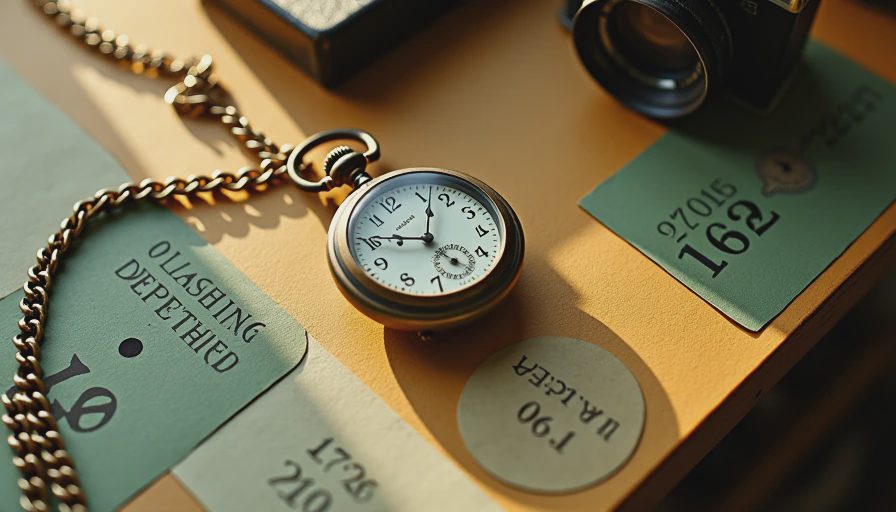
How to mix vintage decor without making your home feel cluttered
The easiest formula is contrast. Pair a curvy vintage mirror with a clean-lined console. Put a patterned 1970s pillow on a plain contemporary sofa. Use one ornate lamp on a quiet nightstand instead of surrounding it with five equally decorative objects. Contrast creates negative space, which is simply the visual breathing room that keeps a room from becoming noisy.
Color is another shortcut. Choose one color from the vintage piece and repeat it somewhere else, perhaps in a small vase, artwork, or throw. If your vintage rug contains rust, cream, and olive, you do not need all three colors everywhere. Repeating just the olive in a small accent can make the room feel intentional.
Scale matters more than matching. A tiny vintage table beside a large sectional may disappear, while a narrow room can become cramped with an oversized cabinet. Measure doorways, stairwells, and the wall where the piece will live. Estate-sale excitement is real; so is discovering that the beautiful dresser cannot make the turn into your apartment.
A practical vintage shopping plan
Before leaving home, choose a category and a maximum repair budget. At a thrift store, take measurements, a small tape measure, and photos of your room. Look at the back and underside before judging the front. Dust and poor lighting can make good furniture look tired, while clever styling can make weak construction look expensive.
Ask the seller what they know, but verify details yourself. If you search how old is vintage while standing in front of a listing, remember that the answer gives you a range, not a valuation. A date does not tell you whether the item is comfortable, safe, stable, or right for your floor plan.
Start with what you love. The rest finds its place. A $28 ceramic lamp that makes you smile can be a better purchase than a supposedly valuable cabinet you are already trying to justify. Vintage decor should make your home feel more like you, not turn every Saturday into a research assignment.
Ultimately, how old is vintage has a simple practical answer: usually 20 to 100 years old. The more useful question is whether the item has a point of view, sound construction, and a place in your life. Buy the shape you cannot stop thinking about, inspect the boring parts carefully, and leave room around the good stuff. That is how an older object becomes part of a home instead of just another thing in it.