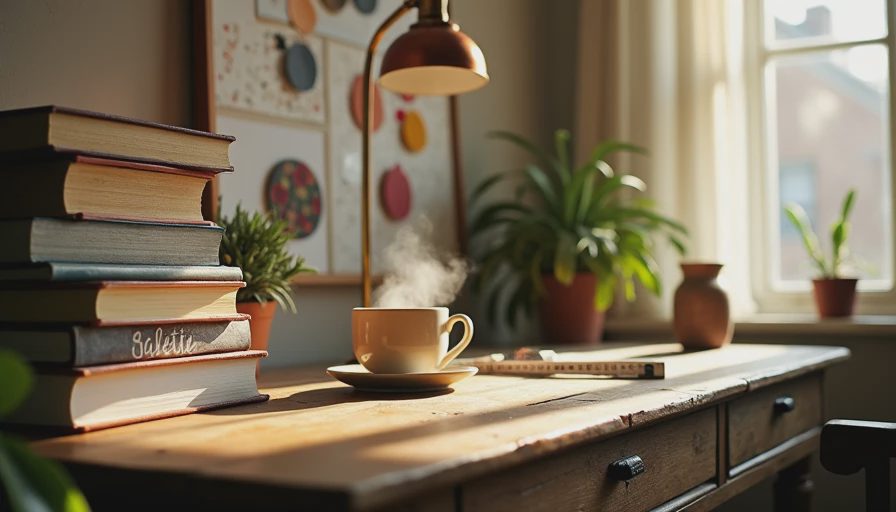
When I first stood in the center of my first empty apartment in Princeton, holding a tape measure like a shield and a smartphone loaded with a thousand "Design Rules" I was terrified of breaking, I felt like a massive fraud. I didn't have a formal degree from a prestigious design school, a bloated designer budget, or an architect's blueprint. What I did have was a stack of Pinterest boards, a handful of thrift store finds, and an overwhelming, slightly desperate desire to make my rental space feel like a true sanctuary instead of a temporary holding pen.
Three years, dozens of completely rearranged furniture layouts, three coats of disastrous wall paint, and countless lessons later, I’ve learned something liberating: interior design isn’t about formal credentials, expensive gatekeeping, or matching every single swatch in a catalog. It’s about observation, intuition, and learning how to listen to the room you’re actually inhabiting.
If you are currently staring at blank walls in your own home, feeling like a total impostor because you don't know the proper terminology for a sofa silhouette, consider this my hard-earned, unvarnished playbook.
“Start with what you love. The rest finds its place.”
1. The Myth of the 'Catalog Look' and the Birth of Soul
In my very first year, I suffered from what I call "Showroom Syndrome." I wanted every single corner of my apartment to look like a perfectly curated page from a high-end magazine. I bought matching sets of accent tables, obsessively hid every single electrical cord, and panicked over a single crooked picture frame.
The Reality Check: Homes that look too rigidly curated often feel cold, sterile, and entirely unlivable. They look like museums where you're afraid to sit down with a cup of coffee.
How My Approach Changed: I slowly learned to lean into "imperfection." Some of the most magnetic, comforting spots in my apartment now include a chipped vintage ceramic vase I found at a dusty Saturday estate sale, and art books stacked casually on the floor instead of tightly aligned on a shelf. A real home should tell an evolving story of who you are, not mirror a frictionless showroom floor.
2. Lighting Trumps Every Single Paint Color
I once spent an entire agonizing weekend debating between six different shades of neutral white paint, only to paint the living room and realize it looked like a harsh, clinical hospital ward by 3 PM.
The Reality Check: Color is entirely dependent on light. The exact same warm beige or cool grey will look completely different depending on weather patterns, the time of day, and whether your windows face north, south, east, or west.
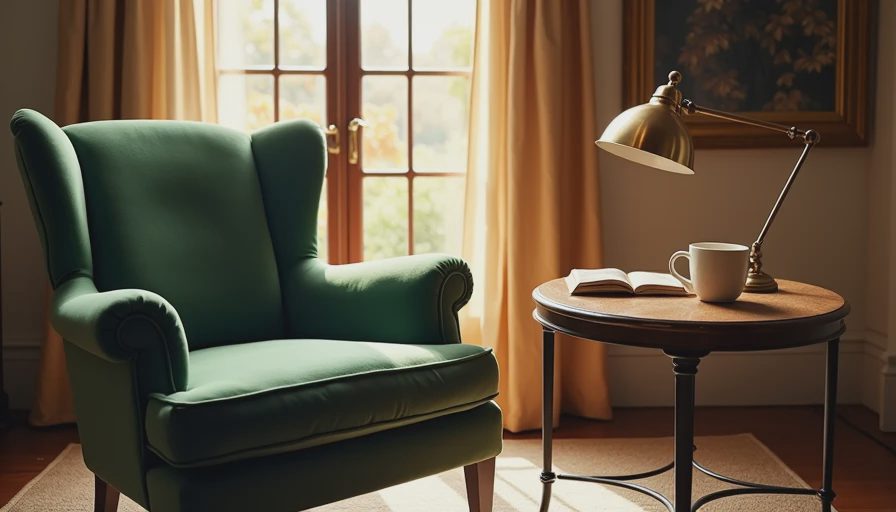
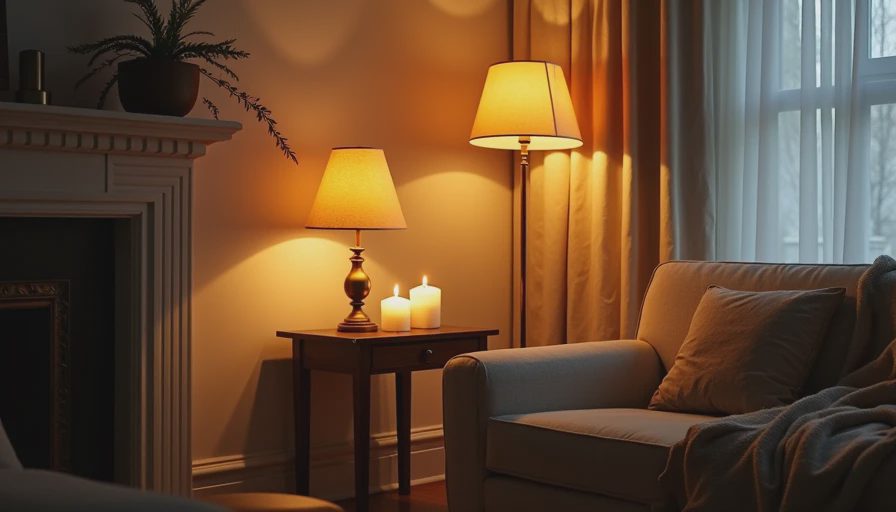
How My Approach Changed: I completely stopped relying on harsh overhead ceiling lighting. By layering warm-toned table lamps, low-slung floor lamps, and flickering candles at varying heights, you instantly wash out unappealing shadows. Good lighting makes any compact, ordinary room feel infinitely cozier, richer, and exponentially more expensive than any high-end paint job ever could.
3. Scale and Proportion Matter More Than Cost
One of my most expensive early mistakes was buying a tiny, delicate accent chair for a wide-open living room corner. It looked completely lost—like a postage stamp on an envelope. Conversely, cramming oversized, bulky furniture into a narrow apartment makes the space feel suffocating.
The Reality Check: You don't need to spend thousands of dollars on designer labels, but you do need to respect spatial proportions.
How My Approach Changed: Now, I always measure twice, tape out furniture footprints directly on the floor with painter's tape before buying anything, and prioritize one or two heavy-hitting statement pieces (like a rich, anchoring velvet sofa) rather than cluttering a room with a dozen tiny, meaningless filler items.
4. Embracing the 'Slow Decorate' Philosophy
Perhaps the biggest mindset shift of my three-year journey came recently: the realization that a soulful home is never truly "finished." In my first year, I suffered from intense urgency—I wanted the apartment entirely complete by month three.
The Reality Check: Rushing a home leads to impulse buys that you end up replacing a year later.
How My Approach Changed: I learned to embrace the art of the slow decorate. I waited nearly six months to find the right vintage rug for my bedroom, and the joy of finally discovering that unique, hand-knotted piece far outweighed the instant gratification of a next-day delivery. When you allow your space to grow organically alongside you, every object carries a memory rather than just a receipt.
Conclusion: Trust Your Own Eye
You don't need a diploma or a professional portfolio to create a welcoming, beautiful home. Design is a personal, intuitive practice that evolves right alongside your life. Once you stop trying to follow every rigid rule in the design manuals and start trusting your own observations, your home finally stops feeling like a project and starts feeling like home.