A mother in law suite can be practical without feeling like an afterthought. Whether you are preparing for a parent, welcoming long-term guests, or creating a flexible space for the future, the goal is the same: make the room feel private, comfortable, and connected to the rest of the house. I am not an architect, but I am very good at noticing when a room feels accidentally assembled. The difference usually comes down to proportion, lighting, storage, and a few familiar details.
The most successful spaces do not look like miniature hotels. They have a real chair, a bedside lamp you can switch off without getting out of bed, and somewhere to put a book or a cup of tea. Start with what you love. The rest finds its place.
Start with privacy and daily routines
Before choosing paint colors or ordering a pretty quilt, walk through the daily routine. A comfortable mother in law suite should make it easy to sleep, dress, bathe, store belongings, and take a break from the main household. If the suite has its own exterior entrance, think about a small landing area for shoes, coats, keys, and packages. A narrow console from IKEA or a simple wall-mounted shelf can handle most of that work for less than $150.
Pay attention to sound as well as sight. A solid-core door, a thick area rug, lined curtains, and upholstered furniture can soften household noise. If the suite shares a wall with a television room, place a bookcase or wardrobe against that wall before reaching for expensive soundproofing materials. It will not make the space silent, but it can make conversations, footsteps, and late-night streaming less intrusive.
Privacy does not have to mean isolation. A glass-paneled door with a curtain, a transom window, or a small sitting area near the entrance can keep the suite welcoming while preserving personal space.

Choose a layout that earns its square footage
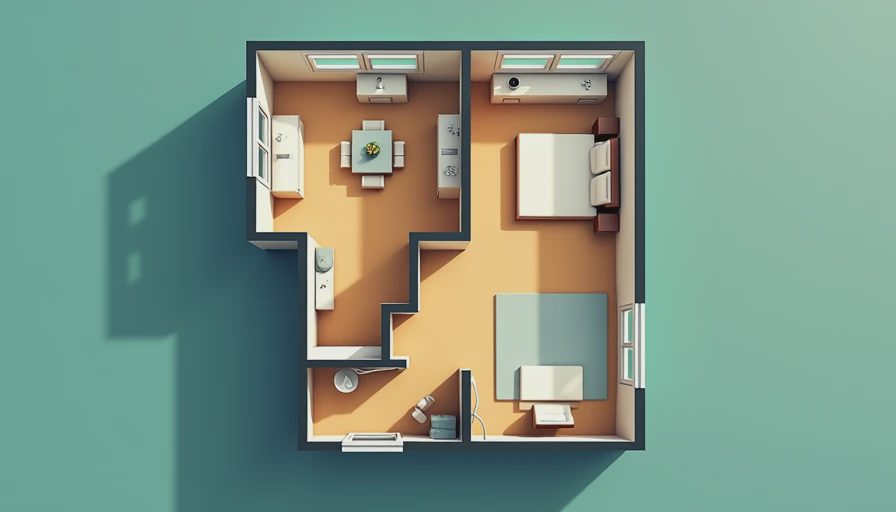
In a small mother in law suite, every piece should have a job. A queen bed is generous, but a full-size bed may leave enough clearance for a dresser, reading chair, or walker. Aim for a clear walking path of roughly 30 to 36 inches where possible, especially between the bed, bathroom, and entrance. You do not need a giant room; you need a room that does not require furniture gymnastics.
Try placing the bed where it has a view of the door without sitting directly in line with it. That arrangement often feels more secure and balanced. Put a slim nightstand on the side that gets the most use, then add a floating shelf on the other side if floor space is tight. A wall-mounted reading light from a brand such as IKEA, Schoolhouse, or Lamps Plus can free up the tabletop and reduce clutter.
A compact kitchenette can be wonderfully useful, but it should match the actual routine. A mini refrigerator, microwave, electric kettle, and two-cup coffee setup may be enough. If you add a sink, include drawers for mugs and utensils rather than filling every inch with open shelving.
Make the bathroom feel easy to use
The bathroom is where a mother in law suite can become either genuinely comfortable or quietly frustrating. Good lighting matters more than decorative tile. Use bright, even lighting at the mirror, plus a softer fixture for nighttime. A night-light near the floor is a small purchase that prevents the harsh overhead-light scramble at 2 a.m.
Choose slip-resistant flooring, lever handles, and a handheld showerhead. If construction is already underway, a curbless shower and a built-in bench offer long-term flexibility. Grab bars do not have to look institutional; many companies make attractive versions in matte black, brushed brass, and polished nickel. Install blocking behind the walls before the tile goes in, even if you do not need the bars yet.
Storage should be visible enough to find but not so exposed that the room looks busy. A shallow medicine cabinet, two towel hooks, and a vanity with drawers usually outperform a pedestal sink with nowhere to put toothpaste, skincare, or cleaning supplies.
Use color to connect without copying
The best mother in law suite does not need to match the main house exactly. Instead, borrow one or two elements: the warm white used in the hallway, a wood tone from the kitchen, or a green that appears in the living room curtains. This creates visual continuity without making the suite feel like a showroom extension.
For a restful palette, try warm white walls with muted blue, olive, clay, or soft tan accents. I would avoid choosing five unrelated neutrals. They often compete rather than blend. Pick one main neutral, one supporting color, and one small accent. For example, warm ivory walls, a faded denim coverlet, and rust-colored lumbar pillows can feel collected without costing much.
Bring in texture through washable cotton, woven baskets, a flatweave rug, and a quilt folded at the foot of the bed. A $35 cotton throw can add more personality than an expensive decorative object that nobody can use. If the suite is a rental or a finished basement, removable wallpaper on one wall can create a focal point without committing to a full renovation.
Furnish it for comfort, not decoration alone
A chair is not optional if the room allows one. It gives someone a place to read, make a phone call, put on shoes, or sit while another person changes the bedding. Look for a chair with arms and a seat height that feels easy to get in and out of. Estate sales, Facebook Marketplace, and local thrift shops can be excellent sources; budget $75 to $250 for a sturdy secondhand option, then add a washable cushion.
Use a mattress you would be happy to sleep on yourself. A supportive queen mattress commonly costs several hundred dollars, and this is one area where the cheapest option can create complaints quickly. Add two pillow types, breathable sheets, and a lightweight blanket rather than one overly heavy comforter. Temperature preferences are personal, so layers give the room more flexibility.
Window coverings should provide privacy at night and still let in daylight. Cellular shades are useful in basement rooms, while full curtains soften rooms with hard floors. Hang curtains close to the ceiling and wide beyond the window frame when possible; the room will look taller and the glass will appear larger.
Plan the budget before the pretty parts
A simple refresh may cost $800 to $2,000 for paint, lighting, bedding, a rug, storage, and secondhand furniture. A renovation with plumbing, electrical work, cabinetry, and a bathroom can quickly reach $20,000 to $60,000 or more, depending on the existing structure and local labor. Get written quotes before assuming a low project estimate includes permits, fixtures, demolition, or finish work.
Spend first on the mattress, bathroom safety, lighting, and storage. Save on art, side tables, baskets, and decorative pillows. Mixing Target, IKEA, HomeGoods, vintage finds, and one or two better-made pieces usually creates a warmer result than buying an entire matching set.
Before construction begins, confirm local building requirements, egress rules, electrical needs, plumbing access, and whether a separate entrance changes anything about the project. A beautiful plan that cannot be approved is an expensive mood board.
The details that make it feel personal
A mother in law suite feels finished when it answers small questions before anyone has to ask them. Add a tray for keys, a clock with large numbers, extra hangers, a laundry basket, and a few empty drawers. Keep a spare phone charger by the bed. Place a simple welcome note with Wi-Fi information and emergency contacts if guests will use the space independently.
Avoid filling every surface with family photographs or decorative objects. Give the person using the room a little negative space to make it theirs. Leave one shelf empty, choose art that is pleasant rather than overly personal, and ask what they actually need before shopping.
The sweetest mother in law suite is not the one with the most expensive finishes. It is the one where the door closes quietly, the lamp is easy to reach, the shower is safe, and the bedding feels fresh. Build from those practical comforts, then add color, pattern, and personality around them. Start with what you love. The rest finds its place.