When people ask me how to decorate with plants, they usually mean more than “Where can I put this fern?” They want a room that feels fresh, collected, and a little less like every piece came from the same big-box store. Plants can do that beautifully, but only when you treat them as part of the room’s composition rather than as green accessories sprinkled into empty corners.
I have killed a fiddle-leaf fig through a combination of optimism and a north-facing window, so I am not speaking from a glass-walled greenhouse. The good news is that you do not need a rare monstera or a designer planter. You need a little attention to light, scale, color, and the visual rhythm of your furniture.
Start with the room, not the plant
The easiest way to learn how to decorate with plants is to look at your room before visiting a garden center. Notice the places that feel visually heavy, the corners that disappear, and the surfaces that already have too many small objects. A tall plant can soften a boxy bookcase. A trailing plant can make a high shelf feel finished. A compact peperomia can bring life to a bedside table without taking over the lamp.
Use a simple three-part check. First, identify the available light: bright direct light near a sunny southern window, medium indirect light several feet back, or low light in a dim hallway. Second, measure the space. A plant that is 24 inches tall may look lovely beside a chair but awkward on a narrow console. Third, look at the room’s existing shapes. If most of your furniture is low and horizontal, one taller plant adds useful height.
For a rental, think vertically before buying another cabinet. A wall-mounted planter, a plant stand, or a pothos on a sturdy bookcase can add dimension without holes in the wall or a permanent change to the room.
Build a plant grouping with contrast
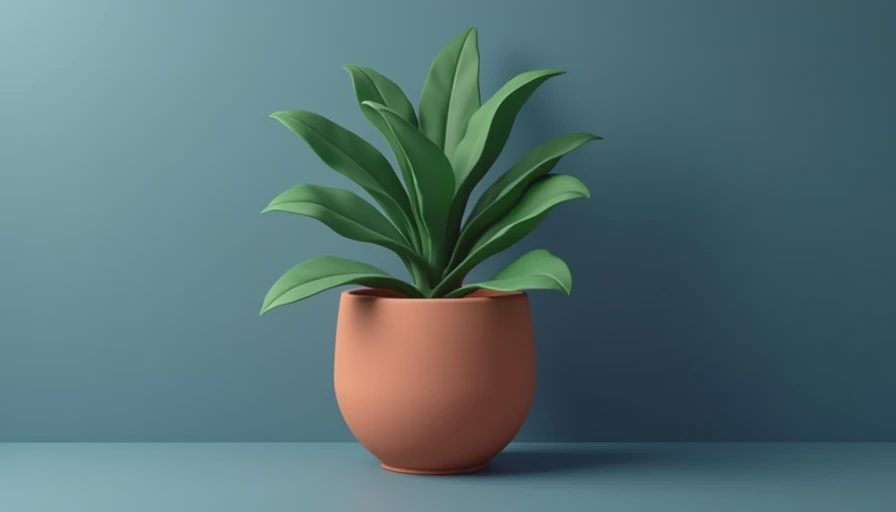
A single plant can be lovely, but groupings create the layered look people are usually chasing. My favorite formula is one tall plant, one medium plant, and one small plant arranged at different heights. You might pair a snake plant in a 12-inch ceramic pot with a six-inch pilea on a stack of books and a trailing philodendron on a nearby shelf.
Contrast keeps the arrangement from looking like a store display. Mix leaf shapes: a broad rubber plant beside a narrow snake plant feels more interesting than three plants with identical leaves. Mix textures too. Ribbed terracotta, smooth ceramic, woven seagrass, and a plain black nursery pot can all work together when one color repeats.
The pots do not need to match exactly. They should share one relationship, such as warm earthy colors, rounded shapes, or a common material. I once bought three very cheap white planters because I thought matching would look “clean.” It looked more like a waiting room. Swapping one for a terracotta pot and another for a woven basket made the grouping feel personal within an afternoon.
When considering how to decorate with plants, leave negative space around the leaves. A plant pressed against a picture frame or crowded beneath a shelf loses its shape. Give each important plant enough breathing room to be noticed.
Choose plants that fit your actual life
The best plant is not the one that looks impressive in a styled photograph. It is the one you can care for consistently. Snake plants, pothos, ZZ plants, and cast-iron plants are often forgiving choices for beginners, although every plant still needs suitable light and watering. A calathea may be gorgeous, but it can be a frustrating first purchase if your apartment has dry winter air and you frequently travel.
If you have pets, check whether a plant is considered toxic to cats or dogs before bringing it home. My cat Saffron has no interest in most greenery, but she once treated a spider plant like a salad bar. I moved it to a hanging planter and saved both the plant and my patience. Also think about falling leaves, wet pots, and curious guests before placing greenery on a delicate wood surface.
Budget matters, especially when you are furnishing a first apartment. Start with two or three plants in the $12 to $30 range, then spend a little more on one substantial planter you genuinely love. A $15 nursery plant in a $25 basket often looks more finished than a $60 plant in a flimsy plastic pot.
Use plants to connect your color palette
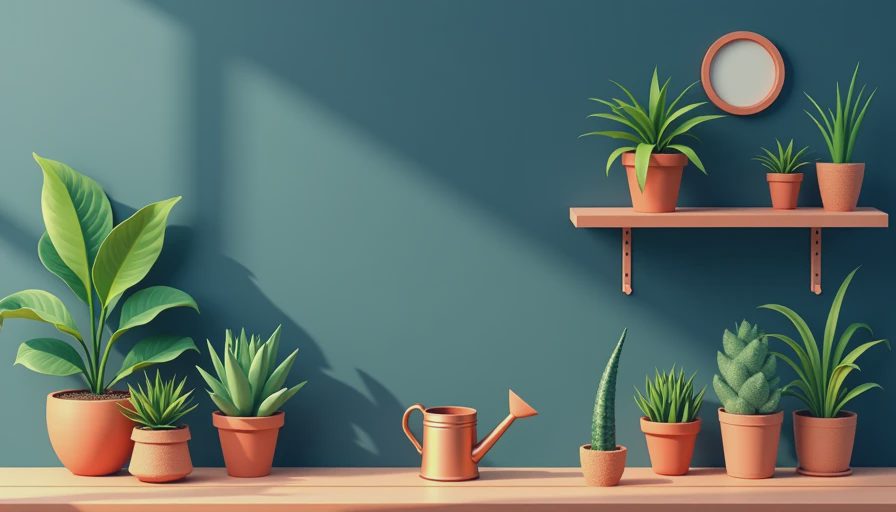
Green works with nearly every decorating scheme, but the container is where your room’s personality becomes visible. In a room with navy curtains and warm wood, try terracotta or ochre. In a pale, minimal space, charcoal, cream, or muted olive planters add depth without shouting. If your room already has several colors, repeat one of them in a pot rather than introducing another random shade.
This is one of the most useful answers to how to decorate with plants: use foliage to bridge colors that already exist. A plant with deep green leaves can connect a dark sofa to a walnut table. A variegated pothos can echo cream upholstery. A terracotta pot can pull together a rust pillow, a woven basket, and the warm tones in a hardwood floor.
Do not force every container into the same palette. A little imperfection keeps the room from feeling staged. I like to choose one “anchor” planter, then let the smaller pots be quieter. The eye notices the relationship without seeing a matching set.
Place plants where they solve a problem
Plants are especially useful when they perform a visual job. Put a tall rubber plant beside an empty media console to balance its width. Place a trailing plant on a high shelf to soften a hard line. Use a small plant on a bathroom counter to break up a collection of bottles. Set a leafy plant near a reading chair to make that corner feel like a destination instead of leftover space.
For how to decorate with plants in a small room, choose fewer, larger statements instead of many tiny pots. Seven little plants scattered across a studio can create clutter. One substantial plant beside the sofa and a small trailing plant on a shelf can make the same space feel calmer. Keep walkways clear, protect vents from blocked airflow, and use saucers beneath pots to prevent water damage.
A plant stand is another smart tool. It lifts greenery to eye level and gives a lonely corner some structure. Look at thrift stores, Facebook Marketplace, or secondhand shops before buying new. A $10 wooden stool can work beautifully if it is stable, sealed, and the right height.
A simple weekend plant refresh
If you want to try how to decorate with plants without redesigning the whole room, begin with a 30-minute edit. Move every existing plant into one area. Remove dead leaves, wipe dusty foliage with a soft damp cloth when appropriate, and check for pests. Then photograph the room from two angles; the camera will reveal awkward gaps that your eyes have learned to ignore.
Choose the plant that deserves the best location based on its light needs, not just its appearance. Elevate one small pot with books or a stand. Replace one tired plastic cachepot with a basket, ceramic planter, or simple terracotta option. Finally, leave one surface empty. That bit of negative space is what makes the greenery feel intentional.
You do not need to make your home look like a conservatory. Start with what you love. The rest finds its place. Once you understand scale, light, and repetition, how to decorate with plants becomes less about following rules and more about noticing what your room has been asking for all along.