Restyling home doesn't have to mean a new sofa, a shopping spree, or a sudden talent for hanging wallpaper. Start by choosing one room, keeping something you love, and changing the arrangement before you buy anything. A better furniture layout, a little breathing room, and a few thoughtful fabric choices can make a familiar space feel entirely different.
Begin with what you already have
Pick the room that bothers you most in everyday life, not the one you think guests notice. Maybe the living room feels crowded, or the bedroom never quite feels restful. Write down one practical problem and one feeling you want instead: “I trip over the side table” and “I want this room to feel calmer” are plenty to start with.
Next, choose an anchor. It could be a patterned quilt, a favorite piece of art, or the green sofa you aren't about to replace. An anchor gives your decisions a starting point; it doesn't mean everything has to match it. I'm not an interior designer. I'm a designer who loves the way one good color can give a whole room a direction.
Before restyling home with new purchases, remove the small accessories from surfaces and set them aside. Leave the furniture, lamps, and larger art in place for now. Look at the room without the visual chatter. You may discover that the room doesn't need more stuff; it needs a little negative space, which is just a design-y way of saying an area where your eye can rest.
Give the furniture a better job
Think about how you actually use the room. If you read on the sofa every evening, put a lamp and a reachable surface nearby. If the coffee table makes getting to the window an obstacle course, try turning it or moving it out temporarily. A beautiful arrangement that makes you walk sideways to reach the kitchen isn't doing you any favors.
Try pulling furniture a few inches away from the wall if space permits, or angle a chair toward the sofa to make conversation easier. In a small room, leaving furniture against the wall can be the right call. The goal is a clear path and a layout that supports your life, not a rule about where a couch belongs.
Take a photo from the doorway after each change. A phone photo flattens the room in a useful way: you can spot a crowded corner, a tiny picture floating above a large sofa, or a chair blocking the light. Live with an arrangement for a day or two before asking anyone to help move the heavy pieces again.
Build a palette without buying a matching set
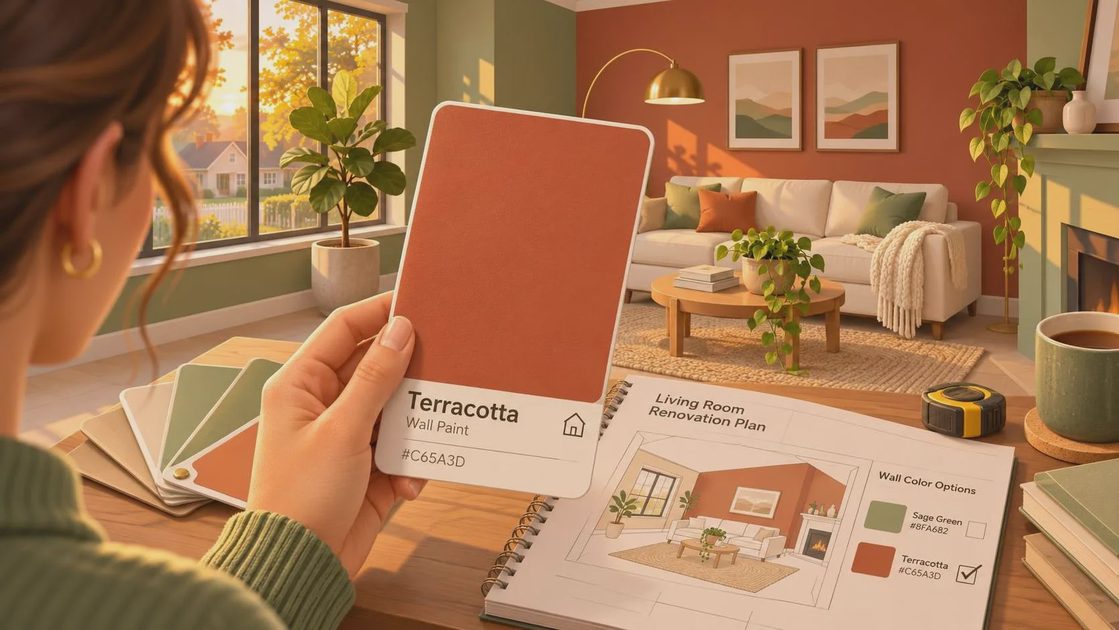
For restyling home, I like to borrow colors from the anchor piece. If your quilt has cream, faded blue, and rust in it, let cream be the quiet background, repeat blue in a larger item such as curtains, and use a little rust in a pillow or artwork. You don't need exact matches. Slight variations make a room feel collected rather than assembled in one afternoon.
Pay attention to undertones, especially with neutrals. A beige that looks pink beside a yellowish wall may not give you the calm effect you imagined. Bring fabric swatches into the room and look at them in daylight and under your lamps at night. If you can't get a swatch, check the return policy before ordering a large item.
Texture matters as much as color. A smooth cotton pillow, a nubby throw, and a woven basket can share a similar shade without looking flat. If you have a cat, consider how easily a loose weave might snag and whether covers can be removed for washing. A pretty fabric you have to guard all day may not be the peaceful choice.
Choose soft furnishings that fit the room
When restyling home on a budget, measure before you shop. For curtains, measure the window and the distance from your intended rod position to the floor. Panels that just skim the floor generally look intentional; panels that stop awkwardly above it can make the window feel shorter. Check whether the listed width is for one panel or a pair, and allow extra fabric for folds rather than stretching the curtains flat.
Renters have options, but read the lease first. A tension rod can work inside some window frames, although it changes the look and may not support heavy curtains. Removable hooks have weight limits and may damage certain finishes, so check the instructions and test an inconspicuous spot. Never rely on a curtain rod or adhesive hook as a substitute for a properly installed safety device.
For a living-room rug, measure the seating area, not just the empty floor. A useful starting point is a rug large enough for at least the front legs of the main seating pieces to sit on it. Tape out the proposed dimensions before ordering. If the larger size isn't in the budget, a smaller rug you love can still work; just center it thoughtfully instead of letting it drift alone beneath the coffee table.
Pillow covers are an easier experiment than replacing inserts. Measure the inserts you already own and check each cover's dimensions and care instructions. Mix one pattern with a solid or a subtle texture, then repeat a color elsewhere in the room. Two pillows that relate to the rest of the space will do more than a pile chosen only because they were on sale.
Finish slowly and spend where it matters
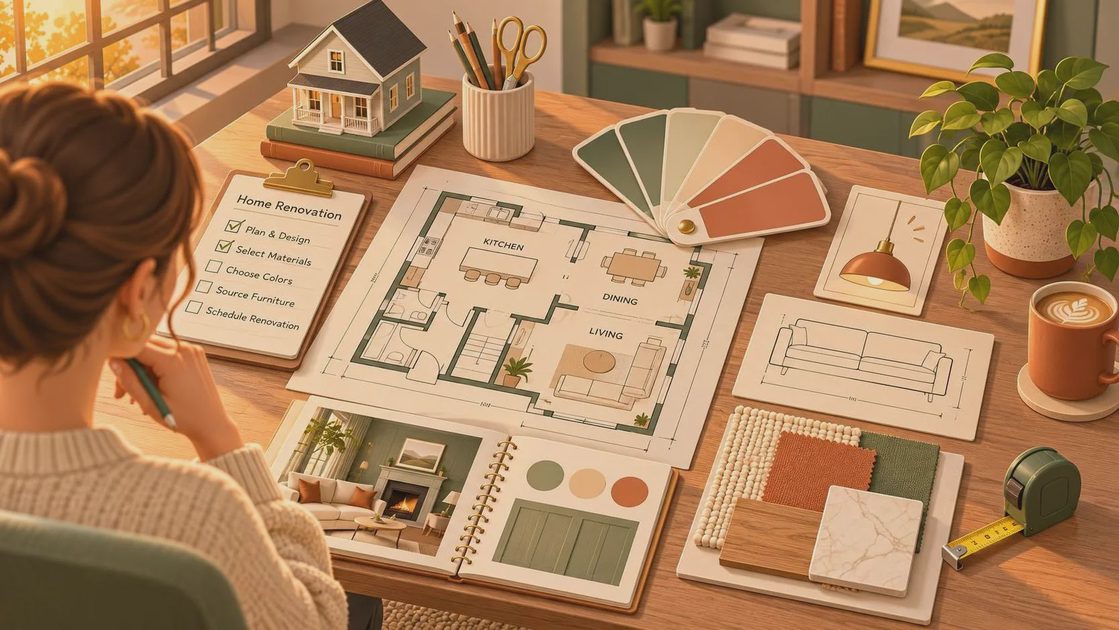
Restyling home works best when you give yourself permission to stop before the room looks “finished.” Bring your accessories back one at a time. Group a few objects of different heights, leave some surfaces open, and move the pieces you don't miss to another room or donate them. Your favorite things are easier to notice when they aren't competing for attention.
Set a spending limit before browsing and divide it by priority. If the room is uncomfortable after dark, a lamp may matter more than a decorative vase. If the sofa is fine but the curtains are the wrong length, start there. Secondhand art, washable covers, and things borrowed from another room can stretch a modest budget without asking you to settle for a look you don't like.
Do one final evening check: sit in your usual spot, turn on the lights you normally use, and notice what still feels awkward. Can you reach your drink? Does the lamp shine in your eyes? Is there somewhere for the throw when you aren't using it? Adjust those little things first. Start with what you love. The rest finds its place.