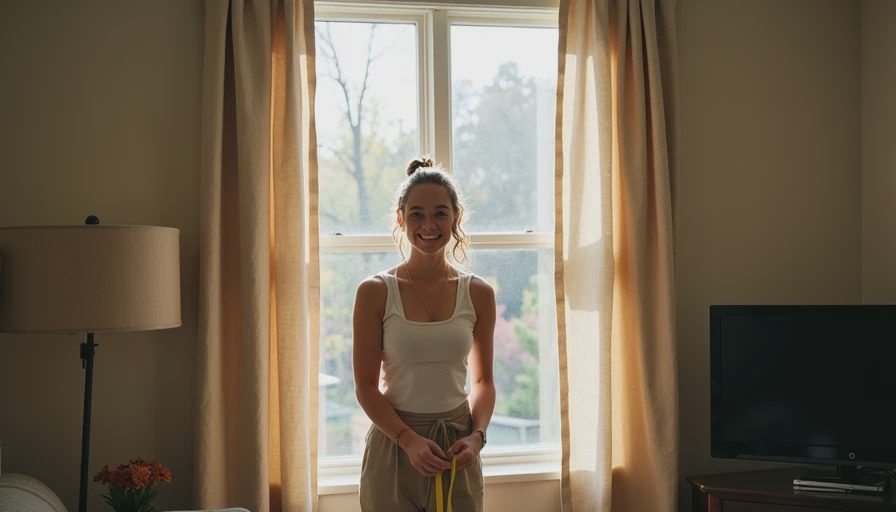
Let’s play a quick game. Go stand in your living room and look at your windows. Are your curtain rods mounted right at the top of the window frame, with curtains that graze the floor just barely—or worse, float an inch above it?
If the answer is yes, don't panic. We’ve all been there. It is the number one silent home decor offense in America.
When we move into a new apartment or house, hanging curtains feels like the very last, tedious chore on the list. We grab whatever generic panels are on sale, screw the rod right into the wooden frame, and call it a day. But as a graphic designer, I look at a room as a composition of lines and proportions. Bad curtain placement can visually crush a room, lowering your ceiling height and draining all the natural light out of your space.
Here is the ultimate cheat sheet for getting curtains right, the first time.
1. The High-and-Wide Rule (Fake Architecture)
If you take only one thing away from this post, let it be this: Never hang your curtain rod directly above the window frame.
The Fix: Mount your curtain rod 4 to 6 inches above the window frame (or even halfway between the top of the window and the ceiling if you have high ceilings).
Widen It Out: Extend the rod 6 to 12 inches past the window frame on both sides.
Why? Because when you pull the curtains open, the fabric should rest over the wall, not block the glass. This tricks the eye into thinking your windows are massive, floor-to-ceiling architectural masterpieces, flooding your room with light and making your ceiling look ten feet tall.
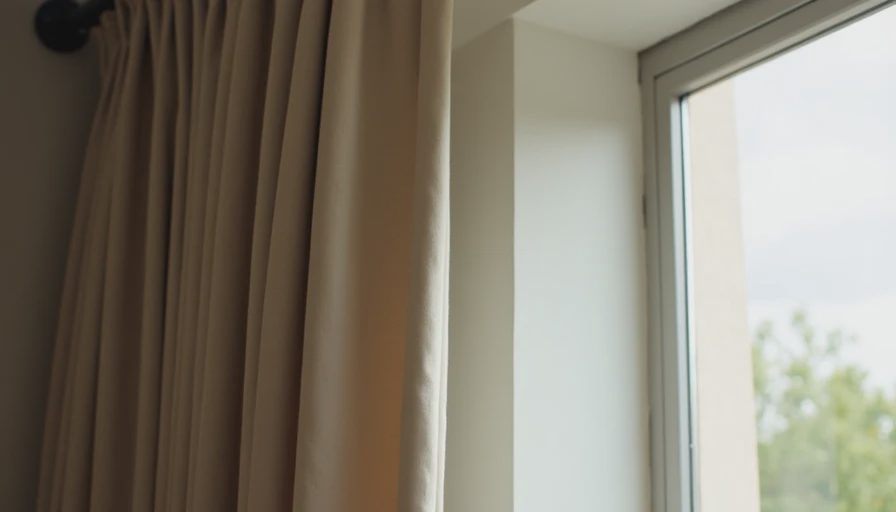
2. The Length Trap (No "Floater" Curtains!)
Curtains that float an inch above the floor look like pants that are too short for a growing teenager. They look awkward, cheap, and unfinished.
The Grazing Length: Your curtains should either just kiss the floor (grazing it lightly).
The Romantic Pool: Or, if you want that high-end, editorial, cozy linen look (which we talked about in my Linen vs. Cotton guide), let them puddle by adding 1 to 2 extra inches of length so they rest softly on the floor.
If you buy standard store-bought panels and they are too short, don't despair—move the curtain rod slightly lower (while still staying above the frame) or invest in clip-on rings to buy yourself an extra couple of inches.
3. Fabric Matters More Than Color

People spend weeks agonizing over curtain colors—should it be greige, beige, or oatmeal? Honestly, texture matters much more than shade.
Avoid Shiny Synthetics: Cheap, shiny polyester curtains catch the harsh indoor lighting and look like plastic shower liners.
Embrace the Weight: Look for a heavy cotton blend, a slubby linen-look fabric, or a relaxed cotton-canvas. You want fabric that has enough weight to fall in clean, vertical folds rather than fluttering around like tissue paper every time someone walks past.
Curtains are the eyeliner of a room. When done right, they pull the entire face together without anyone realizing why you suddenly look so polished.
"Start with what you love. The rest finds its place."