A tupperware organizer can be the small kitchen upgrade that makes every weeknight feel less frantic. You know the scene: a cabinet full of containers, lids sliding behind the toaster, and one mysterious piece that belongs to nothing. I have lived through this exact setup in three apartments, and the answer was not buying a bigger bin and hoping for a miracle. The answer was choosing storage that matched the shapes, height, and habits of my actual kitchen.
Start by Measuring the Cabinet, Not the Container
Before you browse Amazon or walk into The Container Store, measure the cabinet opening, interior depth, and usable height. Write down the narrowest measurement, because hinges, shelf lips, and plumbing pipes have a way of stealing an inch. A tupperware organizer that fits perfectly on a product listing can still fail if your cabinet door will not close.
Also measure your most-used containers. Stack three or four bases together and note the total height. Then measure the tallest lid, including any raised rim or locking tab. You are looking for the real dimensions, not the optimistic version printed on the package. Leave about half an inch of breathing room so you can pull the stack out without scraping your knuckles.
In a shallow drawer, a low expandable rack usually works better than a deep box. In a tall cabinet, tiered shelves or vertical dividers create more useful negative space. Storage should make the contents visible at a glance. If you have to remove six containers to reach one lid, the system is technically organized but practically annoying.
Pick the Right Style for Your Container Collection
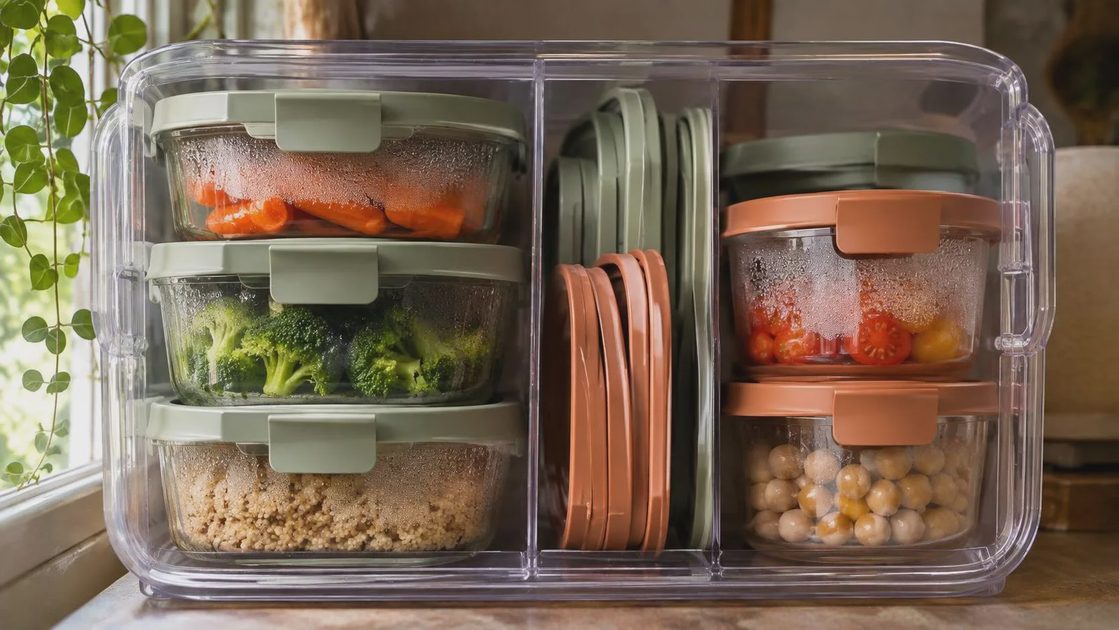
A good tupperware organizer is less about appearance and more about matching the collection you already own. If your containers are mostly rectangular, choose adjustable dividers that keep them upright or grouped by size. If you use round deli containers, a wide open bin with a low front edge makes more sense because round pieces do not stack as neatly.
For drawers, look for expandable dividers with grippy feet. Bamboo options often cost around $15 to $30 and look warm against white cabinets, while clear acrylic versions can cost $20 to $40. Acrylic makes every piece visible, but it can show fingerprints and may slide unless the feet are rubberized. I like bamboo for open shelving and plastic or acrylic inside a drawer where the storage needs to disappear visually.
A lid rack is useful when lids are the main source of chaos. Choose one with several narrow slots rather than one broad compartment. Narrow slots encourage you to file lids vertically, like folders, so you can see the difference between a 16-ounce round lid and the one that fits your largest lunch container. Avoid a tupperware organizer with fixed sections if your collection includes several brands and changing sizes.
Sort Before You Buy Anything
The most attractive organizer cannot rescue a cabinet filled with duplicates, cracked plastic, and lids from containers you donated two years ago. Empty the entire cabinet onto the counter. Pair each base with its lid, then make three groups: daily use, occasional use, and ready for recycling or replacement.
Be honest about what earns its shelf space. I found four tiny containers in my own cabinet that were too small for leftovers but perfect for exactly nothing. They looked harmless individually, yet together they occupied an entire corner. Removing them created enough space for a simple $18 tupperware organizer instead of a complicated stacking tower.
Check the condition of each piece as you sort. Cloudy plastic, warped edges, deep scratches, and lids that no longer seal are signs to let go. Do not keep a container because it came with a set. Your kitchen should support the way you cook now, not preserve every purchase from a different life stage.
Create Zones That Make Sense
Once the collection is edited, give each category a home. I keep everyday meal containers at eye level, larger casserole pieces on the bottom shelf, and small snack containers in a shallow bin. Lids stand vertically beside the bases rather than floating across the cabinet. This arrangement means I can put away leftovers with one hand while holding a dish towel in the other.
Use proportion as your guide. Tall containers belong with tall containers, shallow pieces with shallow pieces, and rarely used items should not block the things you reach for every morning. A tupperware organizer with adjustable sections is especially helpful when your collection changes over time. You can tighten the dividers after a clear-out or widen them when you buy a new set.
If you share a kitchen, label the zones in plain language. “Lunch containers,” “large dishes,” and “lids” are more useful than decorative labels such as “prep essentials.” The goal is not to create a magazine photo. The goal is for another person to put something away correctly without asking where it goes.
Budget Options That Still Look Intentional
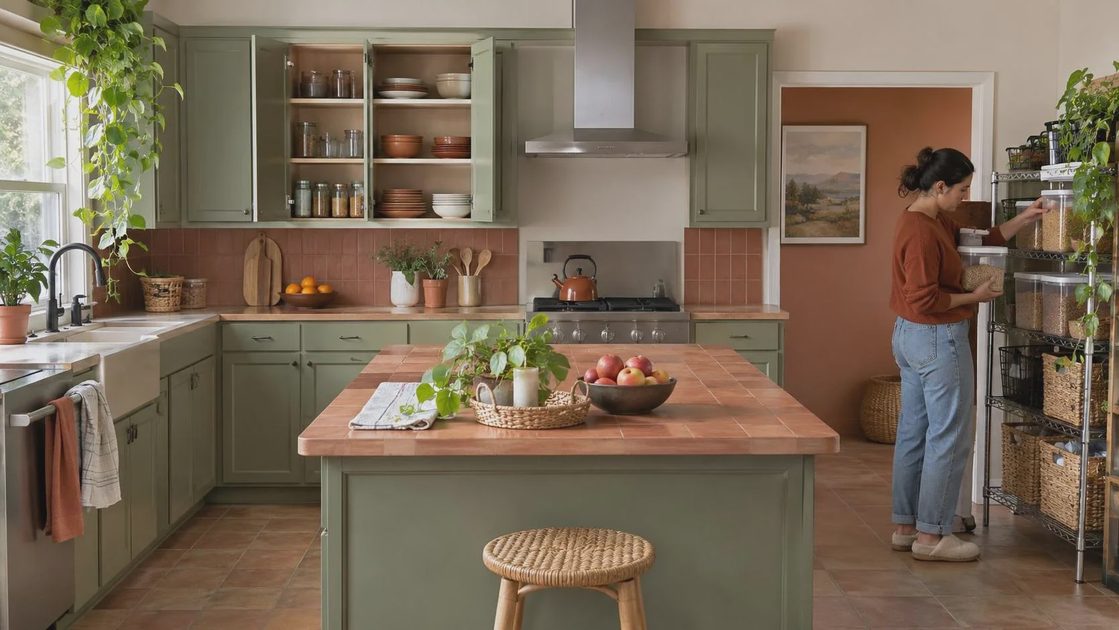
You do not need a full matching system. A $10 open plastic bin can corral small containers, while a $12 wire rack can create a second level on a shelf. Dollar-store bins can work too, but inspect them for sharp edges and flexible sides that collapse when loaded. A container that costs less but tips over every night is not a bargain for long.
For a rental kitchen, removable solutions are the safest choice. Expandable racks, freestanding shelf risers, and adhesive-free drawer dividers leave no holes or residue. If the cabinet color is already busy, choose clear acrylic or white plastic so the storage recedes. If your kitchen is mostly white, natural bamboo adds a little warmth without turning one cabinet into a visual feature.
I would spend more on a tupperware organizer when it has sturdy construction, smooth edges, and adjustable pieces. I would not spend more simply because the product appears in a beautifully styled photograph. A $25 system that stays upright and fits your measurements beats a $60 set that wastes a third of the cabinet.
Make the System Easy to Maintain
The best storage routine takes less than a minute. Let containers dry fully before stacking them, because trapped moisture creates unpleasant smells. Nest bases from largest to smallest, but keep the lids separate unless the lid fits securely over the nested stack. Storing every item assembled can consume much more space than you expect.
Every few months, pull out the collection and remove anything that has become stained, cracked, or orphaned. This is also the moment to adjust your tupperware organizer if your habits have changed. Maybe you now pack lunches more often, bake larger dishes, or rely on freezer-safe glass instead of plastic. Storage should follow your routines rather than forcing your routines to follow storage.
If the cabinet still feels crowded after editing, resist buying another accessory immediately. First ask whether the problem is volume, shape, or visibility. Too many pieces require a clear-out. Awkward shapes need dividers. Hidden pieces need an open-front bin or shelf riser. Naming the problem prevents the familiar cycle of buying organization products that organize the wrong thing.
A Calm Cabinet Is the Finish Line
A useful tupperware organizer does not need to be expensive, matching, or photogenic from every angle. It needs to let you find a container, find its lid, and put both away without an avalanche. Measure first, edit honestly, group by function, and choose materials that suit the cabinet you have.
Start with what you love, whether that is a favorite glass meal-prep set or the little containers you use for Sunday baking. The rest finds its place. Once the system works for your real life, the cabinet becomes quieter, faster, and much easier to live with.