When you live in a compact 700-square-foot garden apartment—or worse, a tight 600-square-foot box where your living room, dining nook, and hallway all wave hello to each other at the exact same second—you learn very quickly that scale and proportion are everything.
Back in my very first solo apartment, I made every single small-space decorating mistake in the book. I bought tiny, miniature furniture thinking it would magically "create breathing room" (spoiler alert: it just looked like dollhouse furniture floating awkwardly in a void), I crowded every available surface with small trinkets, and I hung my window curtains dead-level with the window frame.
The entire place felt cramped, cluttered, and constantly stressful.
Then I started applying actual graphic design principles—the kind professionals use every single day to create visual hierarchy, rhythmic flow, and intentional negative space. It turns out, you don't need a sprawling suburban house to make a space feel expansive and airy. You just need the right soft furnishing strategies.
"Start with what you love. The rest finds its place."
1. The Curtain Rule: Lift Your Eye (and Your Ceiling)
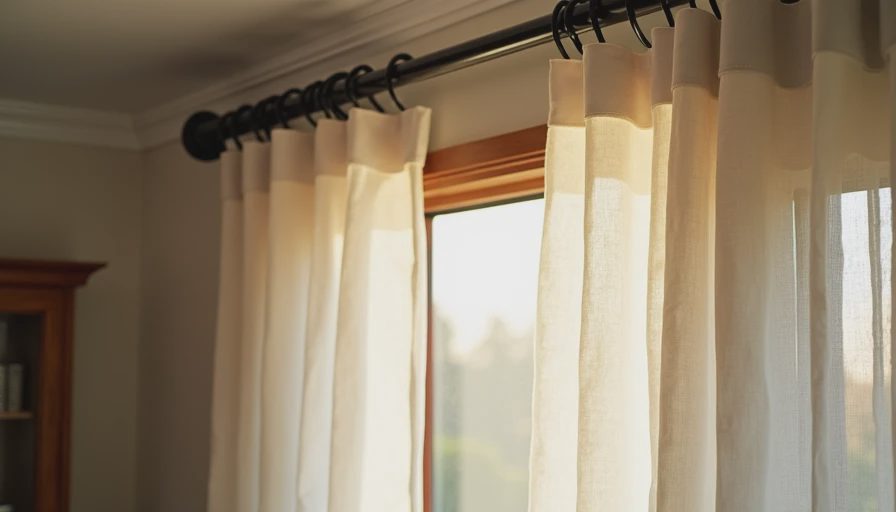
If you take away only one trick from this post, let it be this golden rule: never hang your curtains right at the top of the window frame. When you install drapery hardware just a couple of inches above the glass, you horizontally chop the wall in half. It visually screams, "Look how low this ceiling is!"
The Fix: Mount your curtain rod high up—just a few inches below the crown molding or ceiling line—and choose long panels that break gently on the floor.
Why it works: Your eye naturally follows the vertical line all the way from the floor to the ceiling, instantly tricking your brain into thinking the windows are grander and the walls are taller. Paired with a lightweight, semi-sheer linen-cotton blend that diffuses natural light instead of blocking it, your entire room breathes.
2. Ditch the Postage Stamp Rug
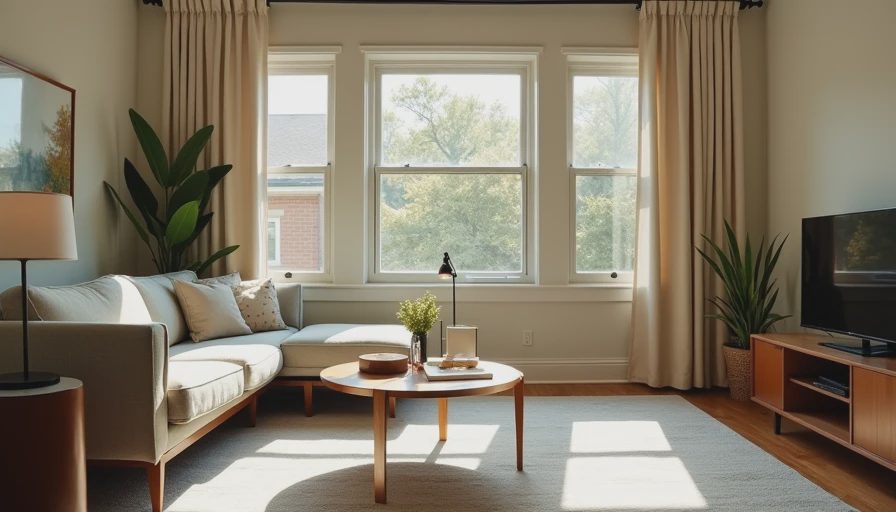
The single most common mistake in small-space decorating is buying a tiny rug that floats timidly in the middle of the room like an isolated island of sadness. A small 4x6 rug draws a sharp border around the room, telling the eye exactly where the smallness begins and ends.
The Fix: Go significantly larger than you think you should. Ideally, the front legs of your sofa and all accent chairs should rest comfortably on the rug.
Why it works: A properly scaled, larger rug anchors the primary furniture pieces and tricks the eye into seeing continuous floor space underneath. It establishes a unified, cohesive zone rather than making the room look like a collection of disjointed items bumping elbows in a corridor.
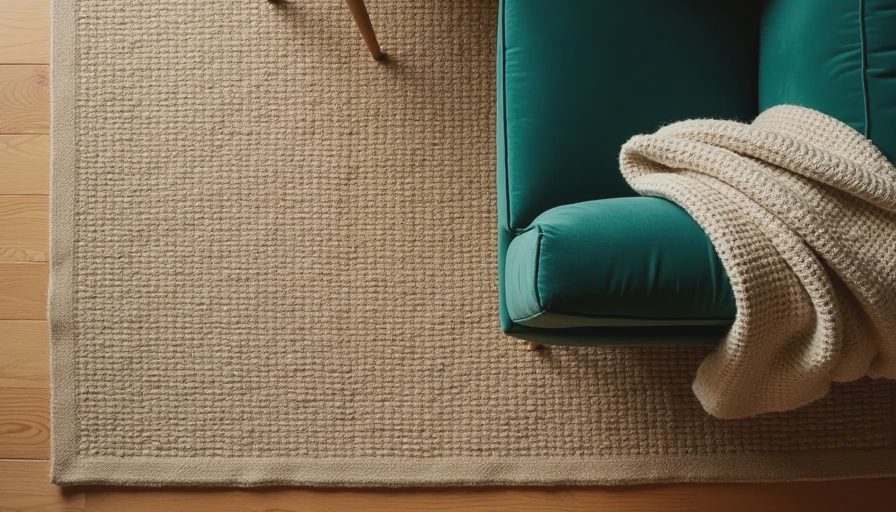
3. Leverage Negative Space and Texture Over Clutter
When square footage is tight, it's deeply tempting to fill every bare corner with a woven basket, a tiny plant, or an extra side table. We accidentally confuse "cozy" with "stuffed."
The Fix: Embrace negative space. Let a stretch of wall remain completely blank and unadorned. Instead of adding more physical objects and knick-knacks, add tactile depth using layered soft furnishings.
Why it works: A single, large piece of art or a well-chosen throw blanket featuring rich, tactile structure (like a waffle-weave texture or a heavy wool knit) adds visual interest without stealing precious floor space. When your textiles do the heavy aesthetic lifting, your floor stays open, and your home feels twice as big.
Summary Checklist: Small-Space Soft Furnishing Secrets
Element | The Small-Space Mistake | The Big-Space Illusion |
Windows | Hanging rods right above the frame | Mounting rods near the ceiling with long, pooling panels |
Flooring | Tiny floating rugs that chop the room visually | Large anchor rugs with furniture front-legs resting on them |
Styling | Filling every corner with tiny trinkets | Embracing negative space and rich, tactile textile layers |
What is your favorite trick for making a small room feel open, light, and breathable? Drop a comment below and let's share notes!